
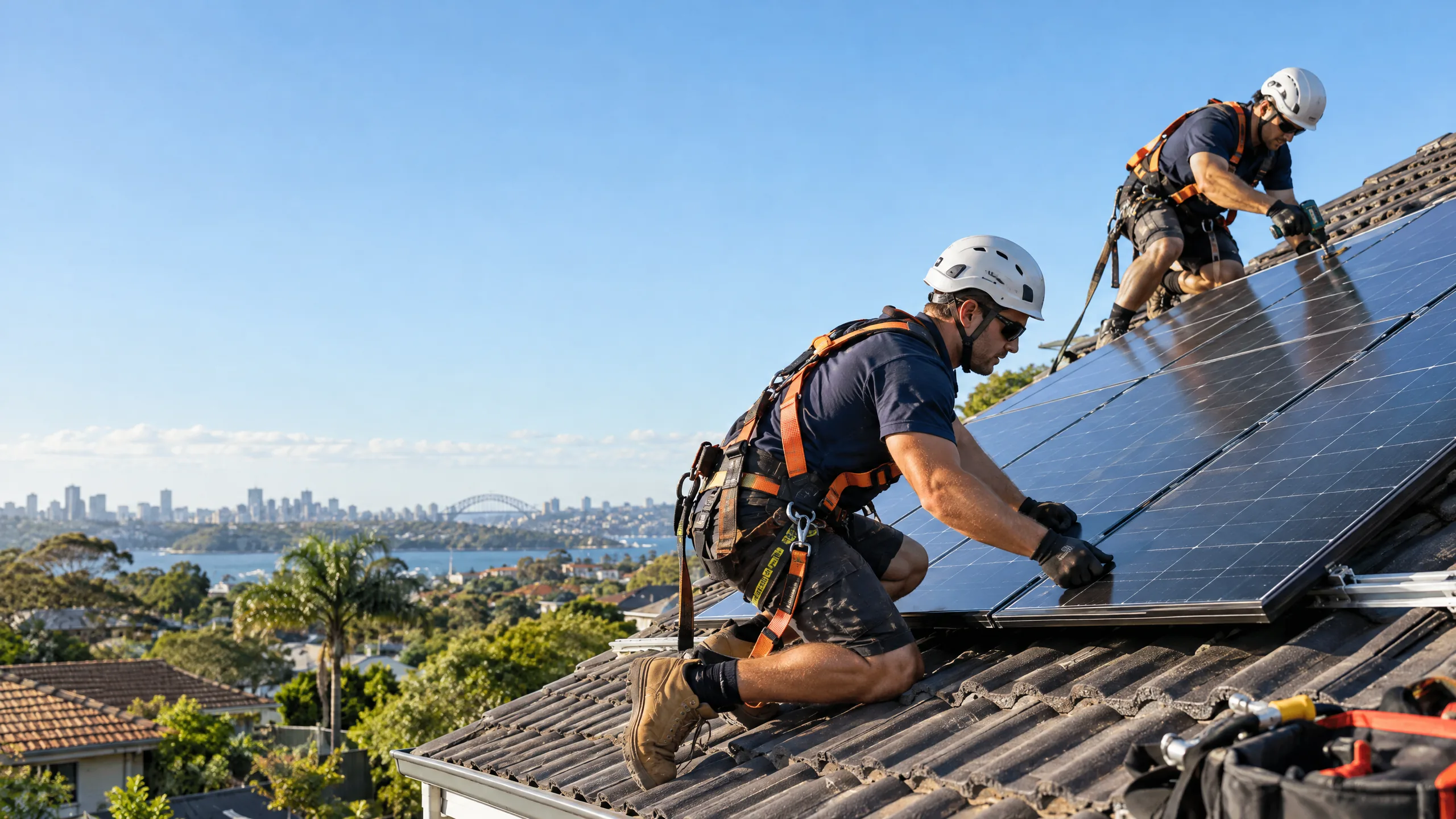
Local solar installer. Accredited electricians.
Australia’s Trusted Solar Panel & Battery Installers
Cut your power bill. Keep the lights on during blackouts. Pay less upfront with rebates.
Power bills keep climbing while most of the energy your roof could generate goes unused. A correctly sized solar system with tier-one panels, a matched inverter and a clean install by an accredited electrician turns that loss into savings. We handle site assessment, system design, installation, grid paperwork and monitoring setup—all included.
⏳ Deadlines
- Cheaper Home Batteries steps down in 38 days (1 January 2027)About $252/kWh for the first 14 kWh, $151/kWh to 28 kWh and $38/kWh to 50 kWh (2026 rate) Source: DCCEEW Cheaper Home Batteries, from 1 May 2026 · checked 2026-10-16
- STC discount on new solar shrinks in 38 days (1 January 2027)about 20% less than this year (one fewer deeming year) Source: Clean Energy Regulator (small-scale technology certificates) · set by law
Why install solar with Bill Saver Solar?
We're a local solar installer with our own accredited electricians, so every installation meets the Electrical Safety Code and the Clean Energy Regulator's requirements. We source tier-one panels and matching inverters, design systems to your actual roof and usage, handle all grid paperwork, and hand over with a monitoring app you can use to track your savings every day. No sales pressure. No hidden fees. Just straightforward advice from someone who's installed systems across all roof types and network operators in your state.
Compare all services →-
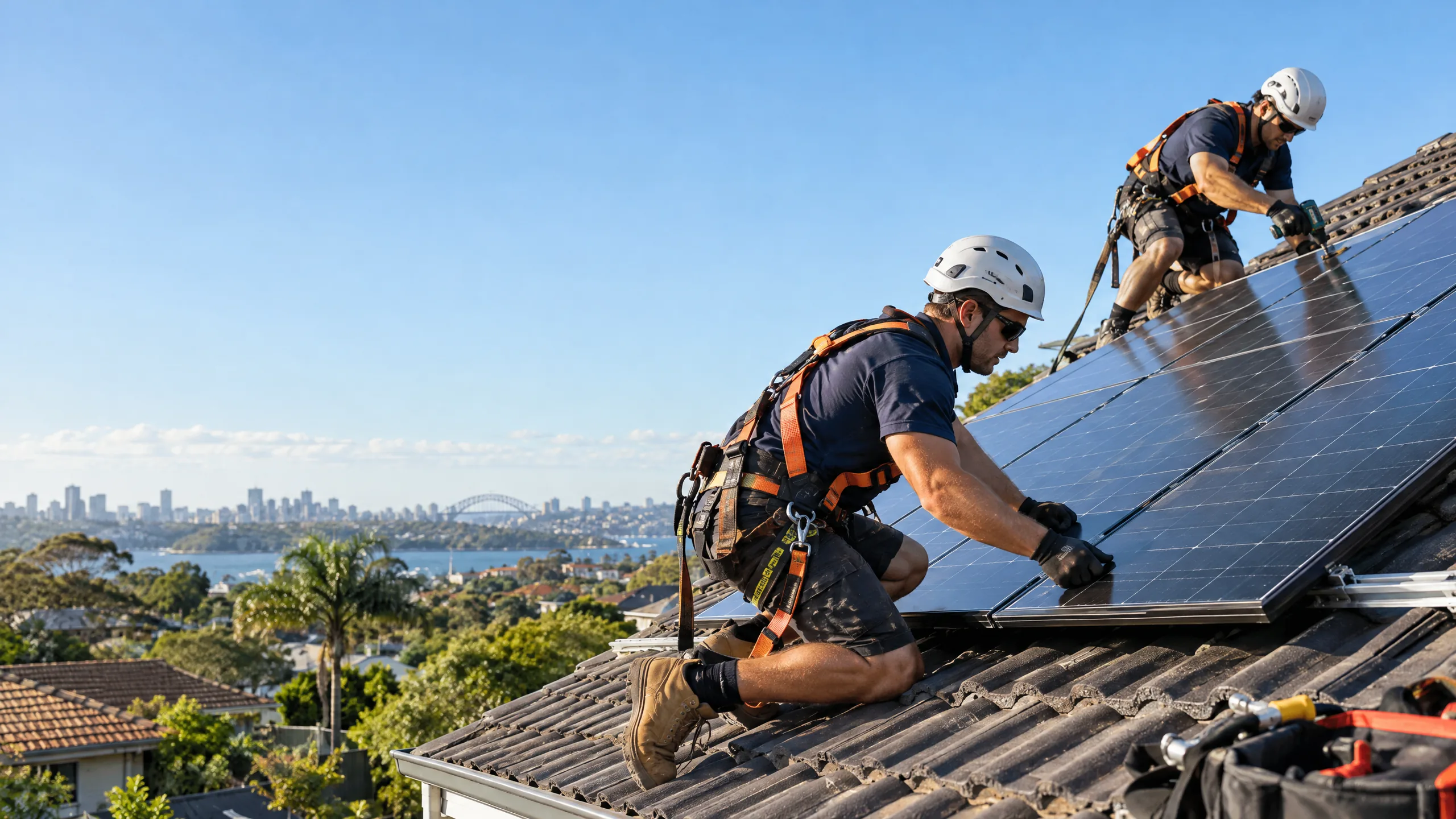 Solar Panel Installation
From $4,000 per system
Get quotes →
-
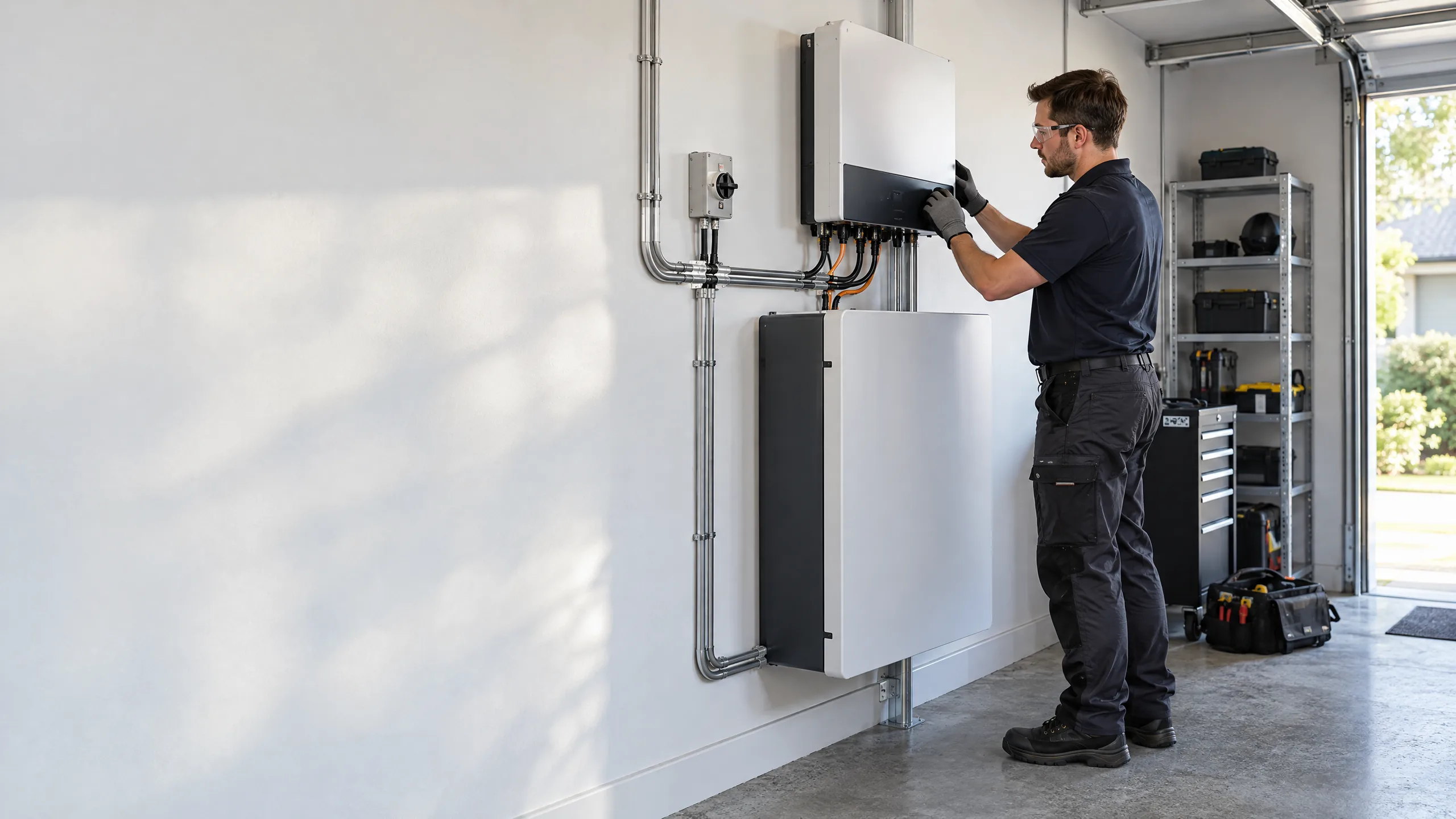 Solar Battery Installation
From $7,000 per battery
Get quotes →
-
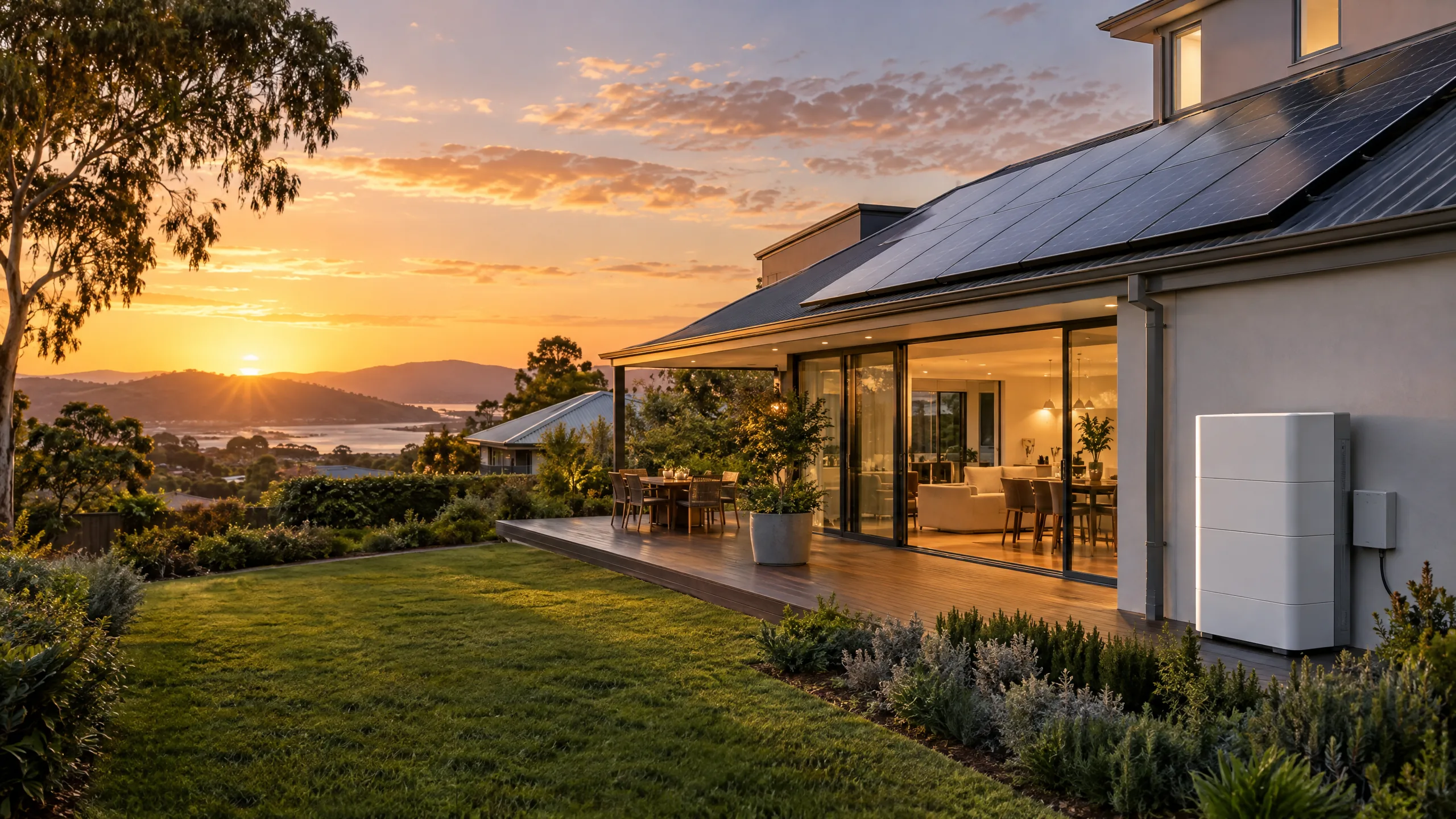 Solar + Battery Packages
From $12,000 per package
Get quotes →
-
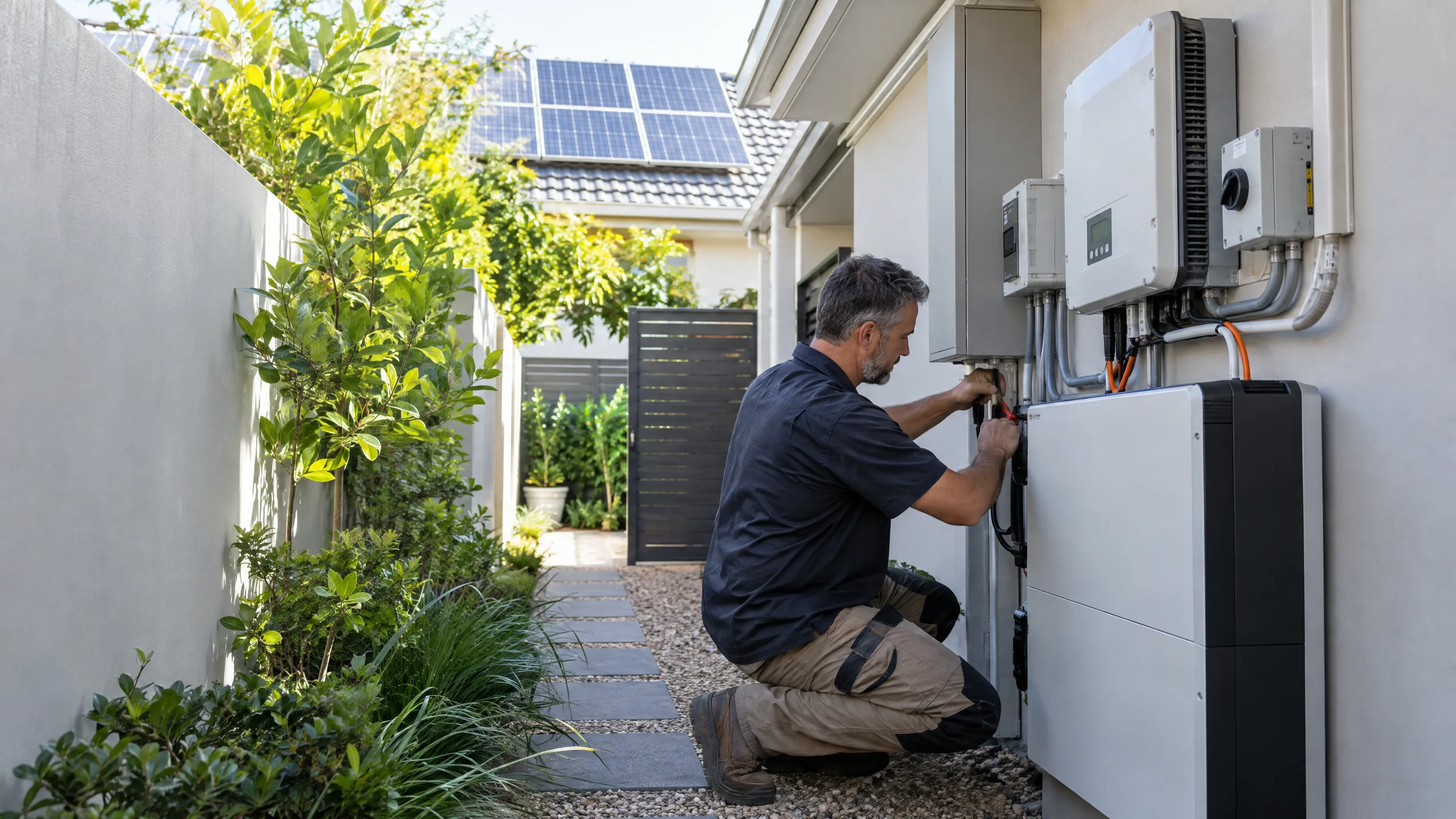 Add a Battery to Existing Solar
From $7,500 per install
Get quotes →
-
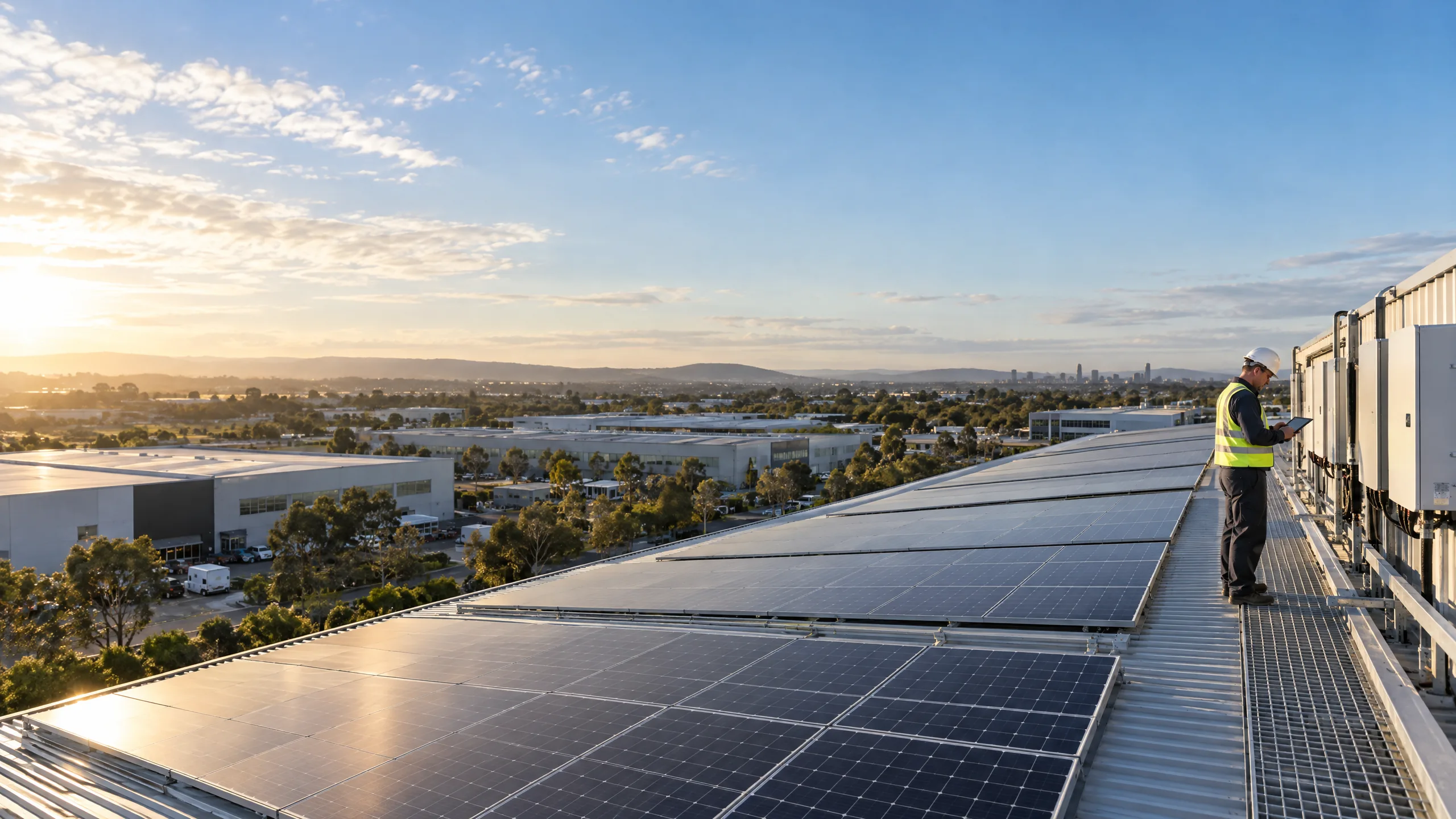 Commercial Solar
From $25,000 per system
Get quotes →
-
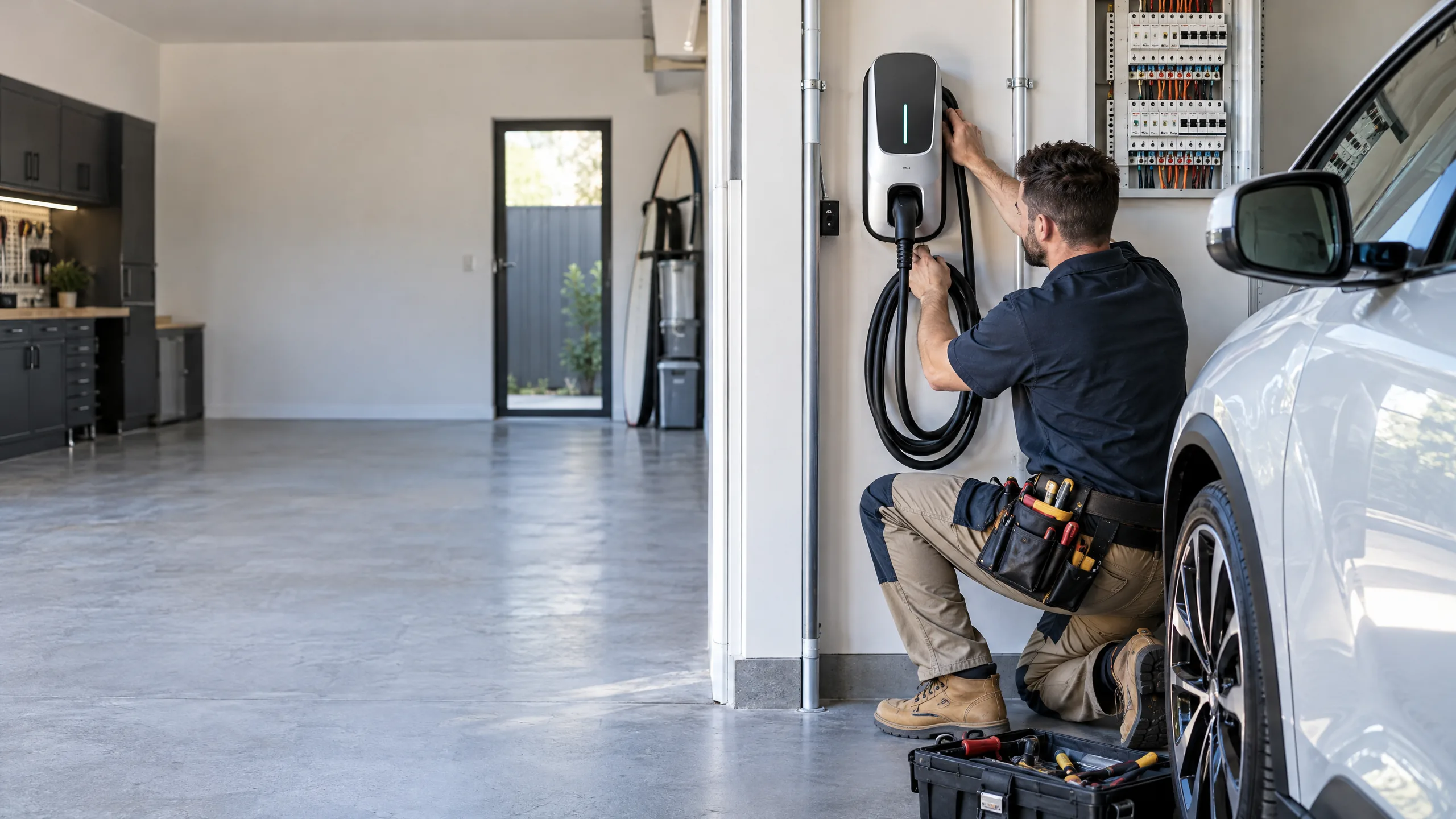 EV Charger Installation
From $1,200 per charger
Get quotes →
-
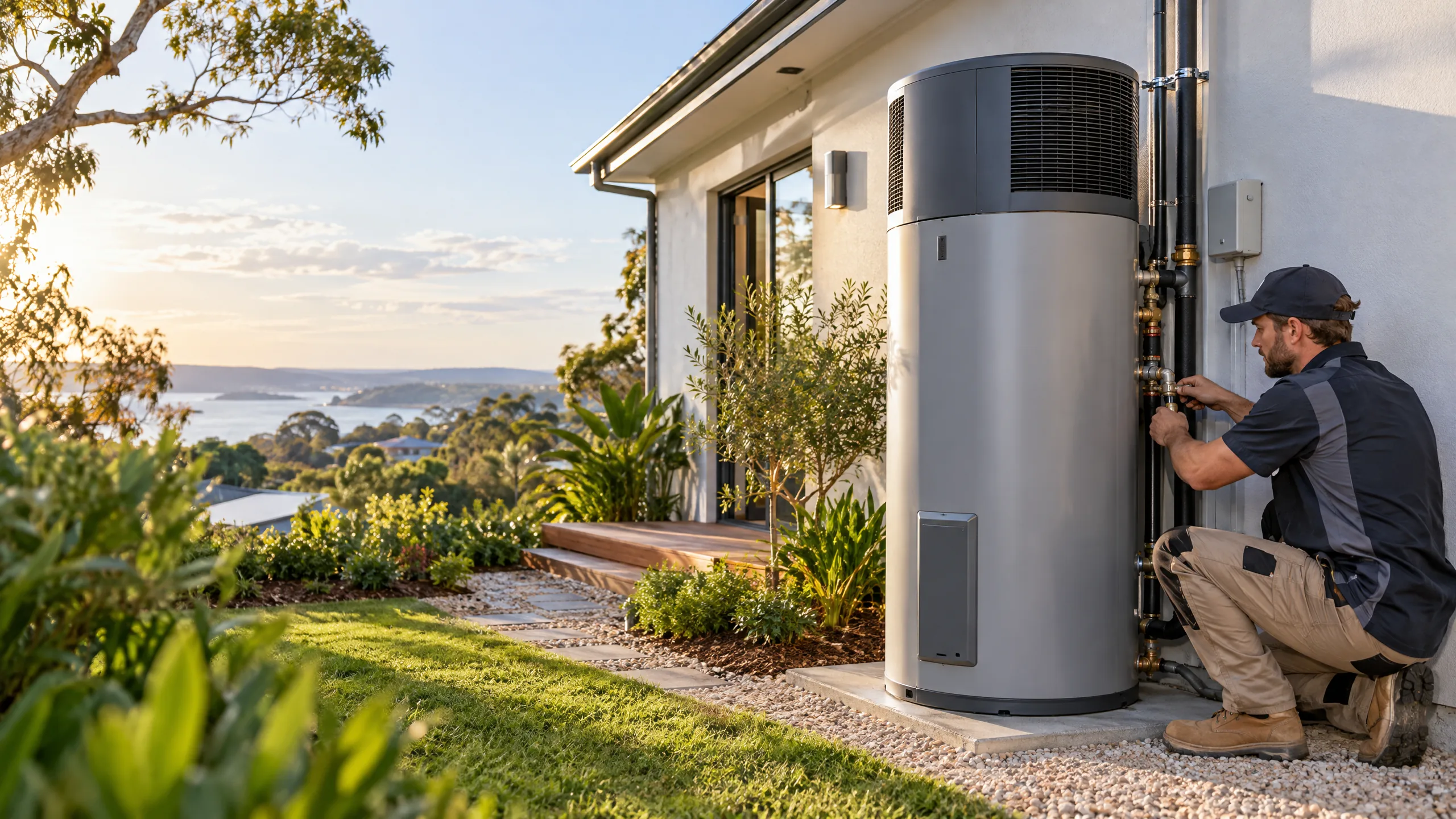 Heat Pump Hot Water
From $3,500 installed
Get quotes →
-
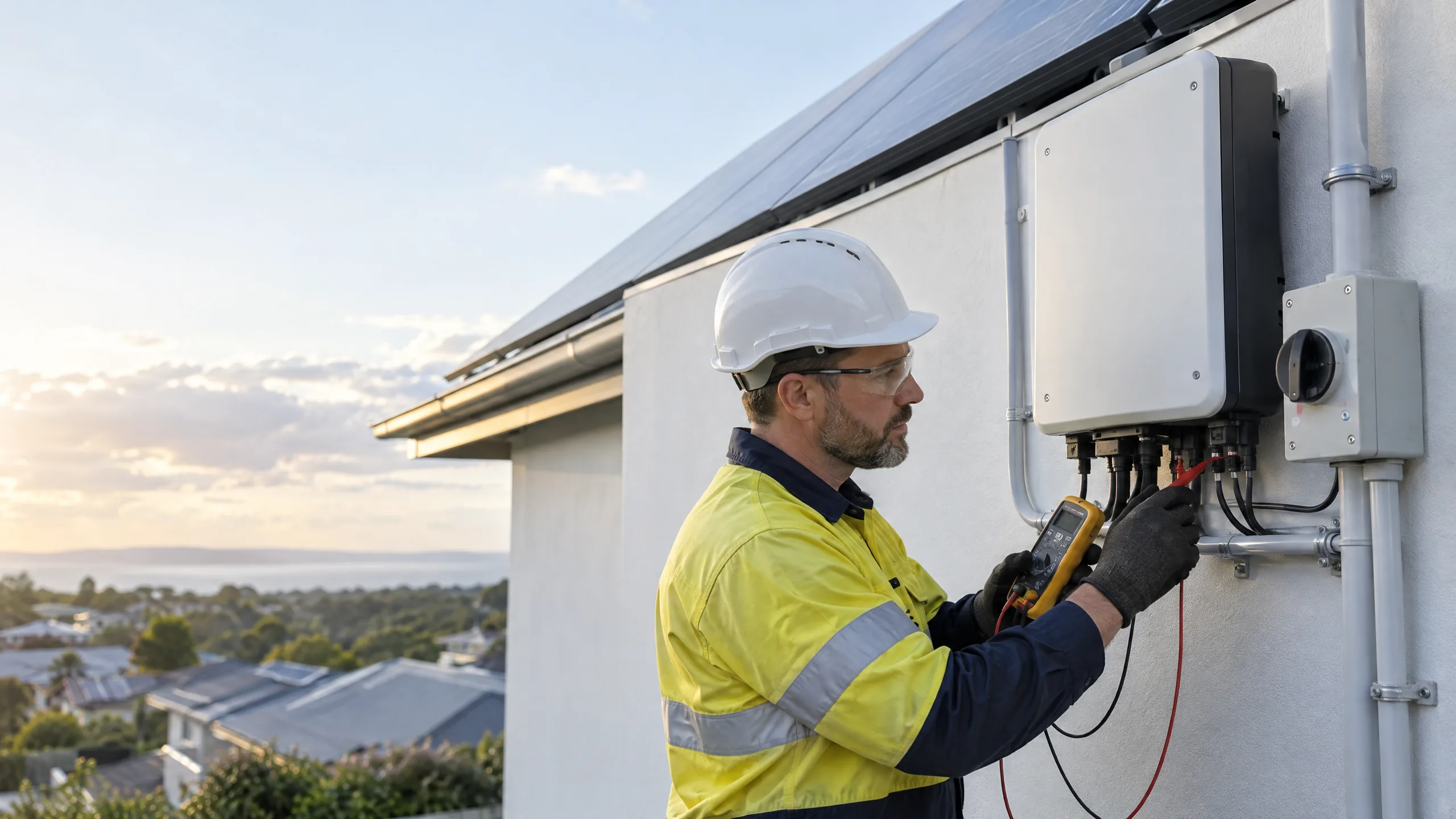 Solar Repairs & Maintenance
From $180 per visit
Get quotes →
-
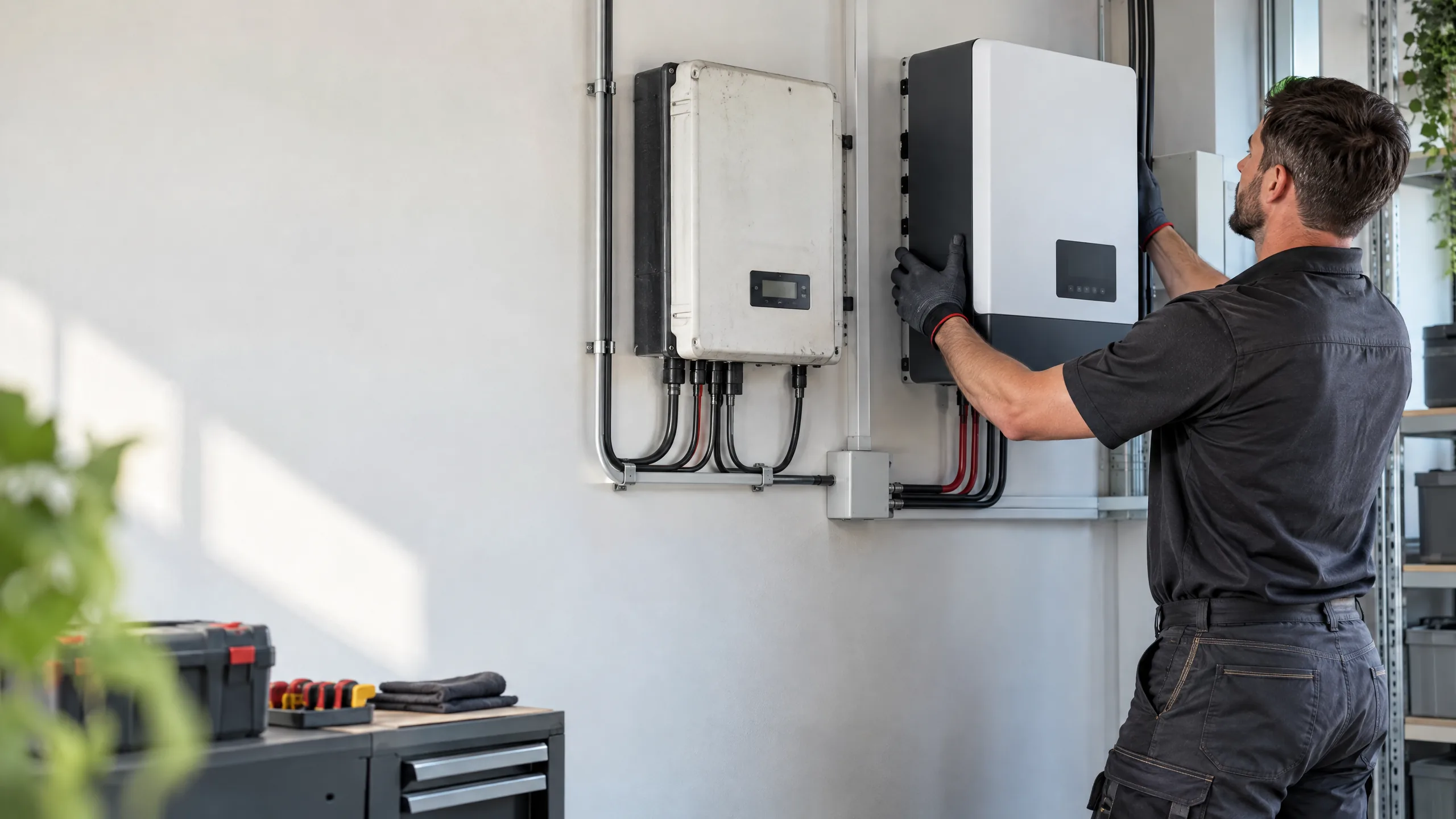 Inverter Replacement
From $1,500 per inverter
Get quotes →
-
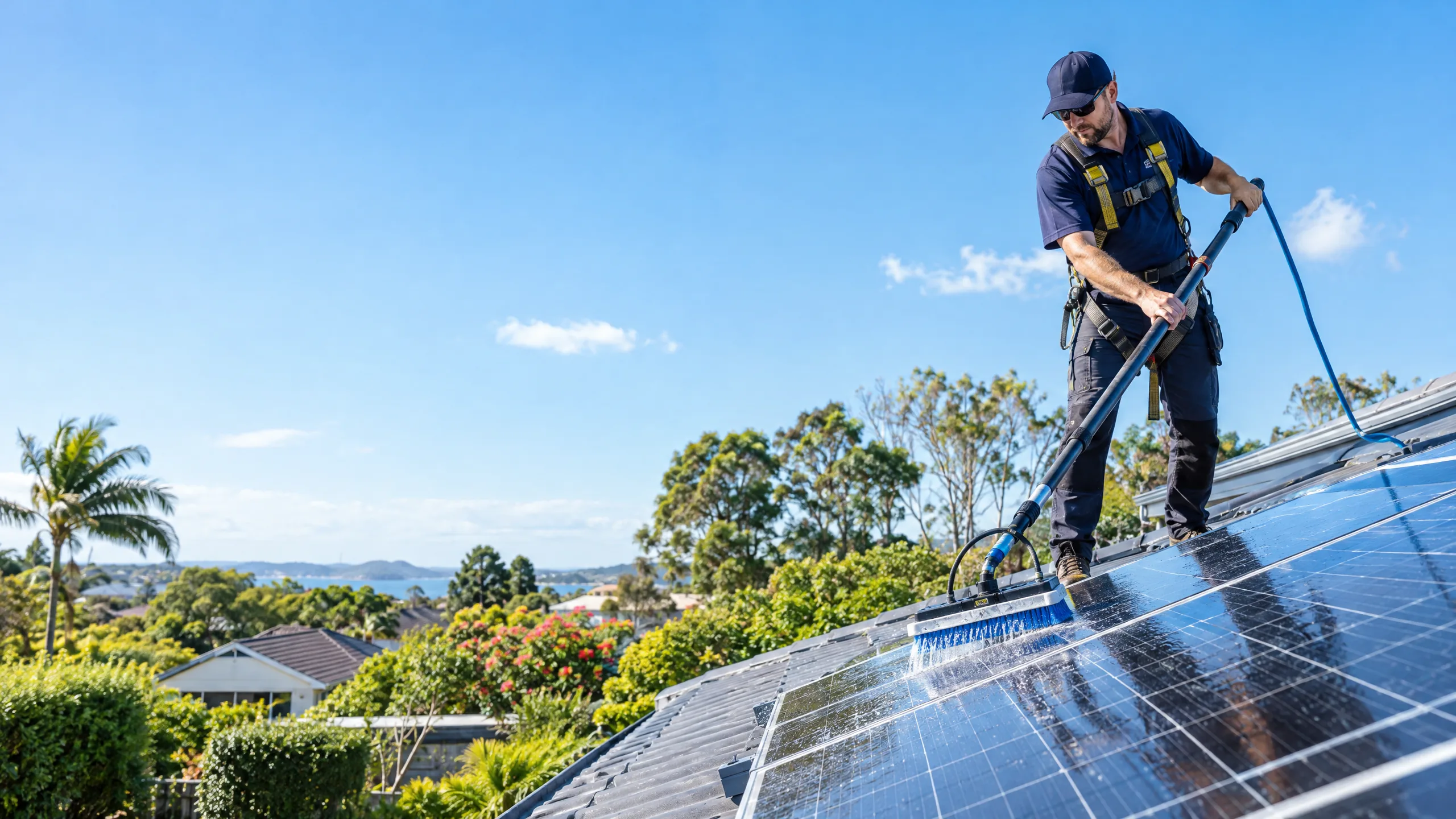 Solar Panel Cleaning
From $150 per clean
Get quotes →
-
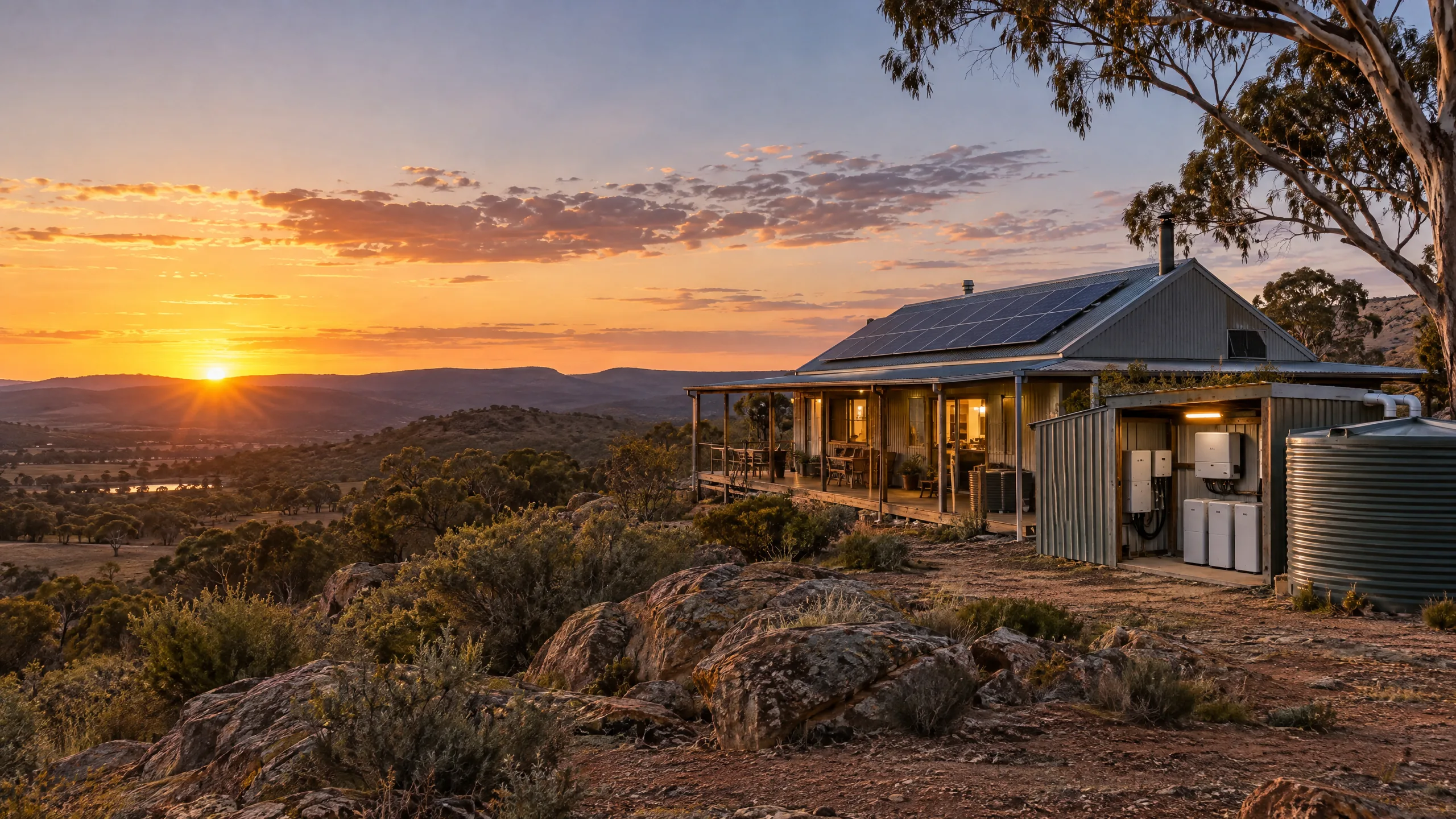 Off-Grid Solar Systems
From $25,000 per system
Get quotes →

Rebates & incentives
How much can you save upfront with rebates?
Most Australian homes qualify for Small-scale Technology Certificates (STCs) under the federal Renewable Energy Target scheme, managed by the Clean Energy Regulator. The discount is calculated as: your system size in kilowatts × your postcode zone multiplier × 5 deeming years × $38 per certificate. For example, a 5 kW system in a zone 3 area generates 5 × 3 × 5 × $38 = $2,850 in STCs; we sell those certificates and pass the full discount to you at purchase. From 1 May 2026, the federal Cheaper Home Batteries Program offers further rebates: about $252/kWh for the first 14 kWh, $151/kWh to 28 kWh and $38/kWh to 50 kWh. Some states also offer additional battery or installation rebates. All incentive amounts change on set dates and may vary by postcode—confirm current figures with the Clean Energy Regulator or your state energy agency before signing a contract.

What makes a solar system actually work?
Right-sized design for your home
A system should match your actual power usage and roof space, not just look big. We pull your power bills, assess your roof pitch and orientation, and design a system that generates most of its power when you use it. Oversized systems waste capacity; undersized systems leave money on the table. We get this right at the start.
Quality panels, matched inverter, clean install
Tier-one panels degrade slowly (under 0.5% per year), inverters last 10–15 years if kept cool, and a proper install means no roof leaks, correct earthing and no loose connections. Cheap panels, mismatched inverters or sloppy work cost you thousands in lost generation over 25 years. We use the best brands and follow the Electrical Safety Code every time.
Accredited electrician and full compliance
Your system must be installed by an SAA-accredited electrician, certified to your state's regulator, and connected to the grid safely. This protects your warranty, your insurance claim and your safety. We handle all the paperwork with your network operator and the Clean Energy Regulator so you can focus on your savings.
We install solar across Dandenong, Point Cook · Craigieburn · Tarneit · Pakenham · Reservoir · Berwick · Werribee · Glen Waverley · Sunbury · St Albans
Bill Saver Solar provides solar panel installation, battery storage, EV chargers and heat pump hot water to homes and businesses across Dandenong, Point Cook · Craigieburn · Tarneit · Pakenham · Reservoir · Berwick · Werribee · Glen Waverley · Sunbury · St Albans. We're familiar with local roof types (weatherboard, Colorbond, tile, slate), climate conditions, distribution network operators, and state regulations. Contact us for a free site assessment in your suburb and postcode.
Before you buy
Plain-English guides
-
 How Much Does Solar Cost in Australia? (2026 Guide)
Read the guide →
-
Is a Solar Battery Worth It in Australia? (2026)
Read the guide →
-
 Solar Rebates and Incentives in Australia (2026 Update)
Read the guide →
-
 What Size Solar System Do I Need?
Read the guide →
-
How to Choose a Solar Installer: 12 Checks Before You Sign
Read the guide →
Local solar data
How much power does solar make in Victoria?
Each kW of panels in Victoria makes about 1,366 kWh a year (Melbourne data). That means a 6.6kW system makes around 9,016 kWh a year, or about 25 kWh on an average day. Melbourne averages 4.8 peak sun hours a day.
Figures use PVWatts modelling for a north-facing (south-facing in the northern hemisphere) roof at 20°. Your actual output depends on shade, roof direction and the panels you choose.
| City | Network | kWh per kW a year | Sun hours a day | Grid price per kWh | Yearly saving, 6.6kW |
|---|---|---|---|---|---|
| Melbourne VIC | — | 1,366 | 4.76 | — | — |
Incentives that apply in Victoria
National · battery
Cheaper Home Batteries
About $252/kWh for the first 14 kWh, $151/kWh to 28 kWh and $38/kWh to 50 kWh (2026 rate)
Battery 5–100 kWh, able to join a VPP, connected to rooftop solar
Source: DCCEEW Cheaper Home Batteries, from 1 May 2026 · checked 2026-10-16
National · solar
Small-scale Technology Certificates (STCs)
Upfront discount: kW × zone multiplier × deeming years × STC price
Systems up to 100kW installed by an SAA-accredited installer
Source: SRES: zone multiplier × 5-year deeming × $38 per STC · checked 2026-10-16
VIC · hot water
Solar Victoria hot water rebate
up to $1,400 locally made, $1,000 other
Same $150,000 income cap
Source: Solar Victoria, from 1 July 2026 · checked 2026-10-16
VIC · solar
Solar Victoria panel rebate
up to $1,400
Combined household income $150,000 or less
Source: Solar Victoria, from 1 July 2026 · checked 2026-10-16
Sources: PVWatts v8 (north-facing 20°, 14% losses, nearest station) · SRES: zone multiplier × 5-year deeming × $38 per STC · DCCEEW Cheaper Home Batteries, from 1 May 2026 · Solar Victoria, from 1 July 2026
Solar designed around your situation
Which situation best suits you?
How much does a solar panel system cost in Australia?
Do I qualify for a rebate or discount on solar?
How long does a solar installation take?
What's the difference between a tier-one panel and a cheaper one?
Can I add a battery to my existing solar system?
What happens to my solar during a blackout?
Do I need an electrician to install solar?
What's included in a solar installation with Bill Saver Solar?
Get a Free Solar Site Assessment
We'll check your roof, switchboard and power usage, then show you the rebates and savings you qualify for.