

VIC · STC zone 4 · 4.76 sun hrs/day · Cranbourne 3977
Solar Panels & Battery Storage for Cranbourne Homes
Accredited solar installers serving Cranbourne and surrounding suburbs
Quick answer
A 6.6kW solar system in Cranbourne costs about $4,500–$7,000 after the $1,482 STC discount and makes around 9,016 kWh a year. 1,256 homes in postcode 3977 added solar in the last 12 months (Clean Energy Regulator).
Electricity bills are climbing across Cranbourne while most solar energy your roof could produce goes unused. A well-designed system—sized to your usage, paired with quality panels and a matched inverter, installed by an accredited electrician—delivers real returns. We handle the whole job: site assessment, system design, installation, grid paperwork and handover to your monitoring app.
What solar costs and makes in Cranbourne
| System | Output a year | STC discount | Price after STCs |
|---|---|---|---|
| 6.6kW | 9,016 kWh | $1,482 | $4,500–$7,000 |
| 10kW | 13,660 kWh | $2,242 | $6,500–$10,500 |
| 13kW | 17,758 kWh | $2,926 | $8,500–$13,500 |
PVWatts output (Melbourne data, 45 km away) · STCs at zone 4 · prices are market guidance, not quotes. Savings & monthly output ↓
- SAA-accredited electricians
- NETCC Approved Seller
- 1,256 systems installed locally in 12 months
20,479
solar systems in postcode 3977 since 2001
2,035
home batteries added in postcode 3977, last 12 months
1,366
kWh per kW of panels a year
8 km
to Skye, Botanic Ridge, Sandhurst
⏳ Deadlines
- Cheaper Home Batteries steps down in 38 days (1 January 2027)About $252/kWh for the first 14 kWh, $151/kWh to 28 kWh and $38/kWh to 50 kWh (2026 rate) Source: DCCEEW Cheaper Home Batteries, from 1 May 2026 · checked 2026-10-16
- STC discount on new solar shrinks in 38 days (1 January 2027)about 20% less than this year (one fewer deeming year) Source: Clean Energy Regulator (small-scale technology certificates) · set by law
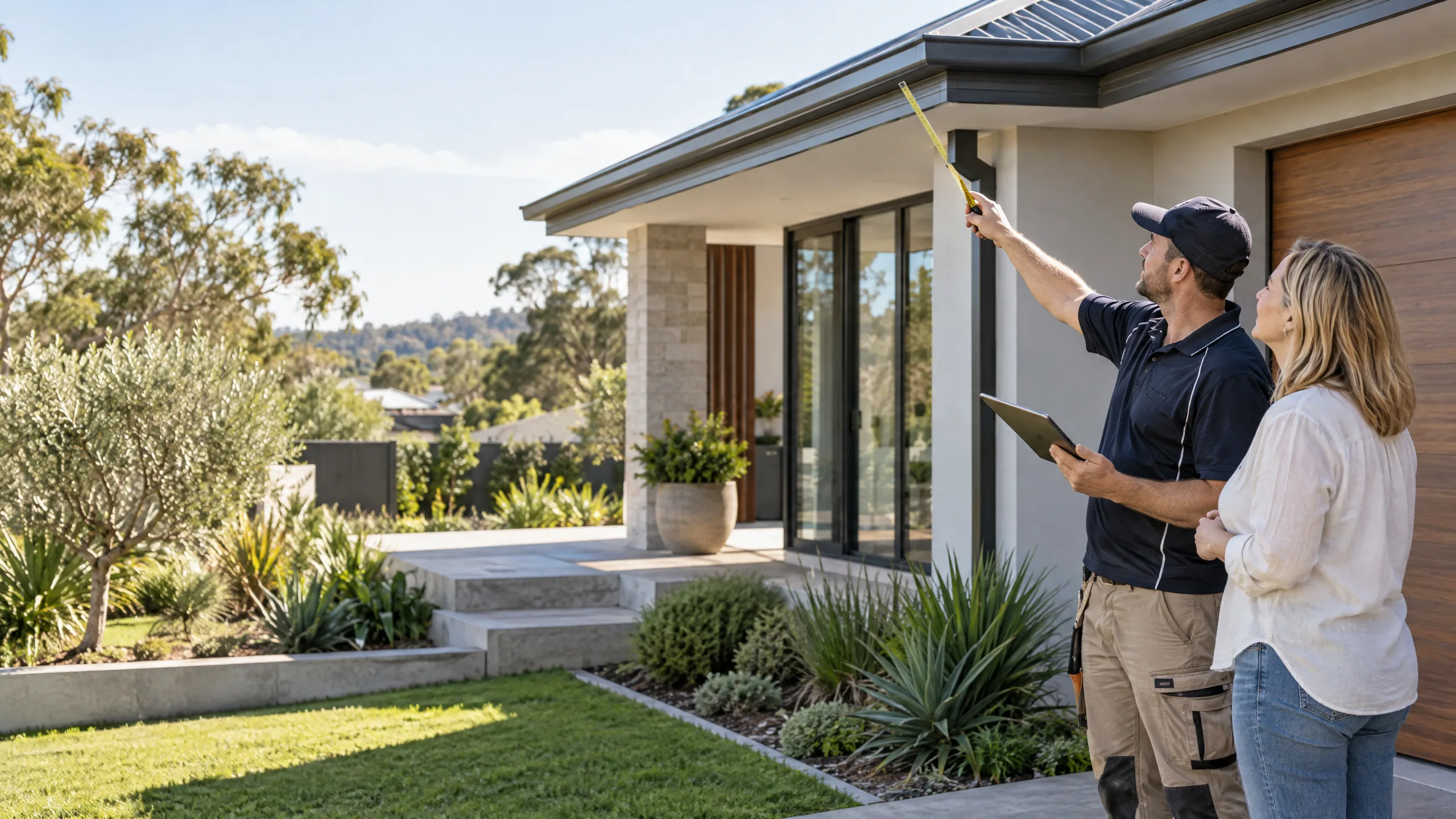
Common blockers
What stops Cranbourne homeowners from going solar?
We hear the same concerns from people in Cranbourne before they install solar.
-
Hidden costs and complexity
Solar quotes can look cheap until hidden costs appear: switchboard upgrades, council paperwork, grid connection fees, or compliance inspections that nobody mentioned upfront.
-
Unfamiliar with energy monitoring
Many people don't understand how to read their energy data, set battery times, or adjust settings if their situation changes (a second car, a pool pump, a new appliance).
-
Grid and safety uncertainty
Homeowners wonder if the grid connection will be approved, whether their system will cause power quality issues, or if Energy Safe Victoria has hidden rules they'll fail.
-
Transparent all-in pricing
Our quote includes installation, panels, inverter, racking, isolators, grid connection paperwork, Energy Safe Victoria commissioning and monitoring app setup. No surprises. If your switchboard needs upgrading (older homes sometimes do), we flag it during the site visit and include it in the quote as a separate line item.
-
App training and ongoing support
We hand over your monitoring app during commissioning and walk you through it: viewing real-time and historical output, understanding your bill, and changing battery charge/discharge times if needed. If you add an EV charger or heat pump later, we adjust your system and retrain you. Support is just a call away.
-
Compliance and connection expertise
We're registered with Energy Safe Victoria and Powercor. We lodge your grid connection application, manage all compliance testing, and commission your system to current standards. We've installed 1,256 systems in this postcode alone in the past 12 months—we know the process inside out and rarely hit roadblocks.
Ready to stop paying too much for electricity?
1,256 homes in postcode 3977 added solar in the last 12 months (Clean Energy Regulator).
Our services
Every solar & battery service we offer in Cranbourne
Choose a service to see local prices, what is included and what affects the quote.
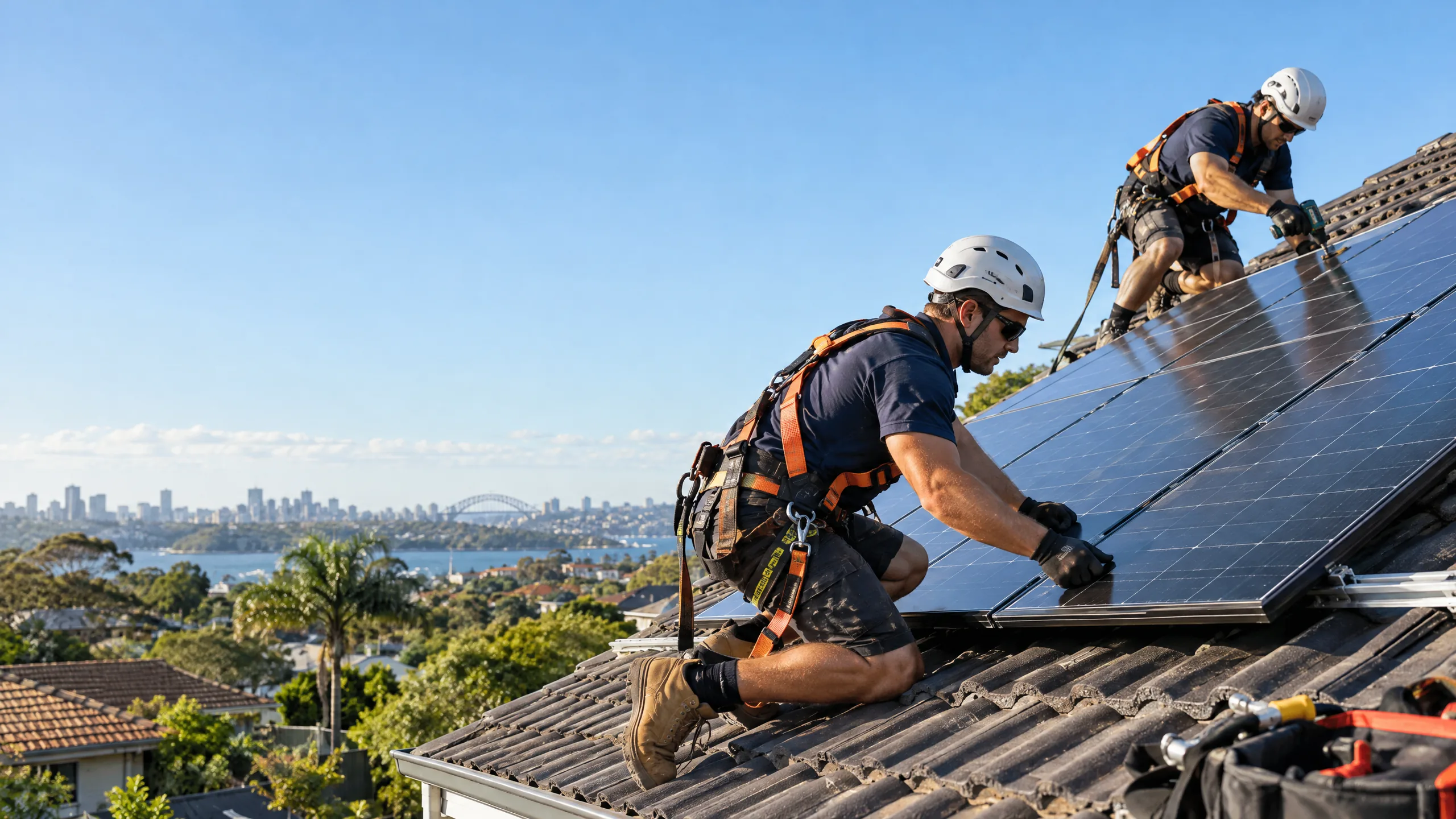
Solar Panel Installation
A correctly sized system with tier-one panels, a matched inverter and a clean install by an accredited electrician.
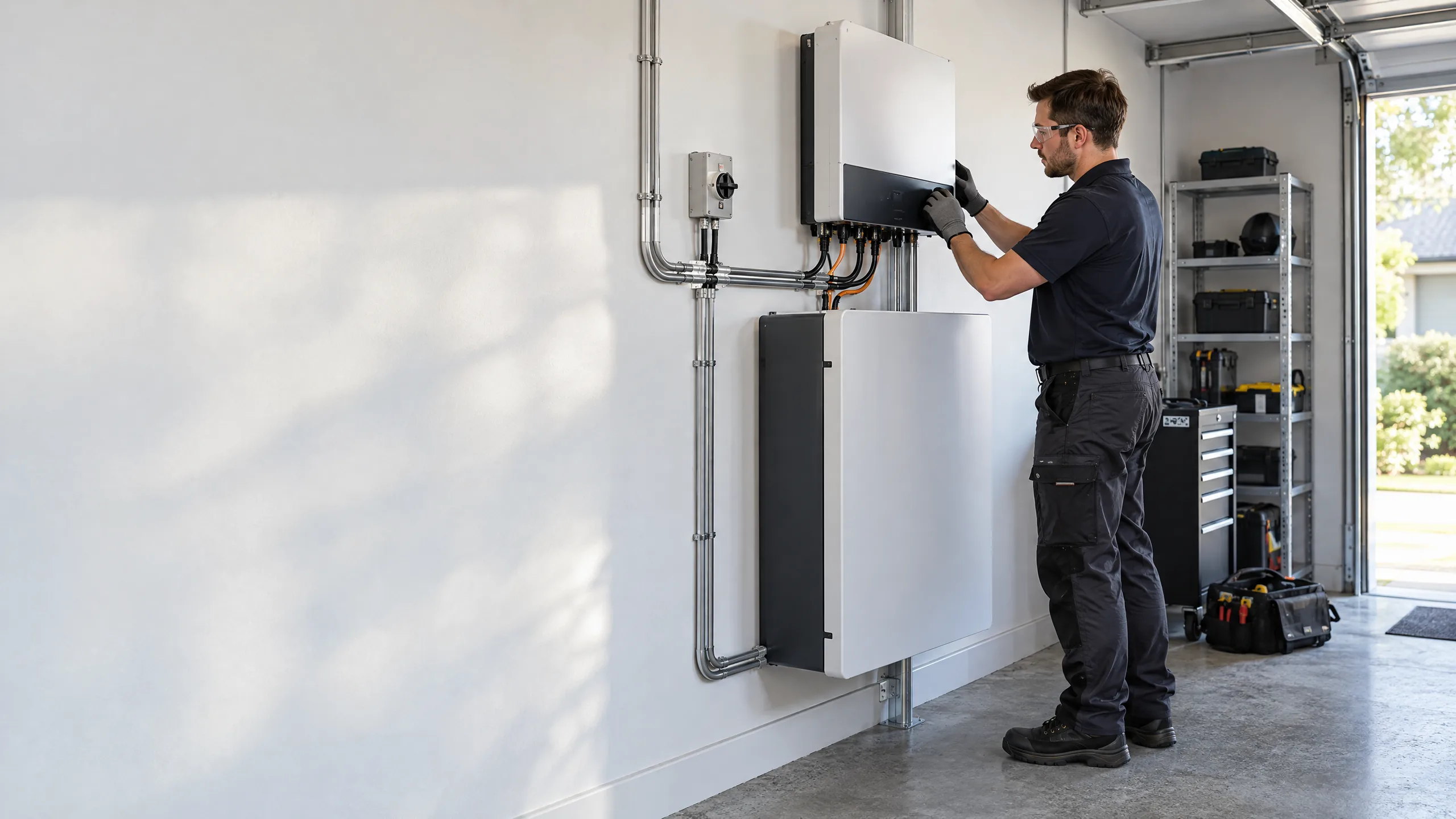
Solar Battery Installation
A battery sized to your evening load, installed with the right inverter and backup configuration.
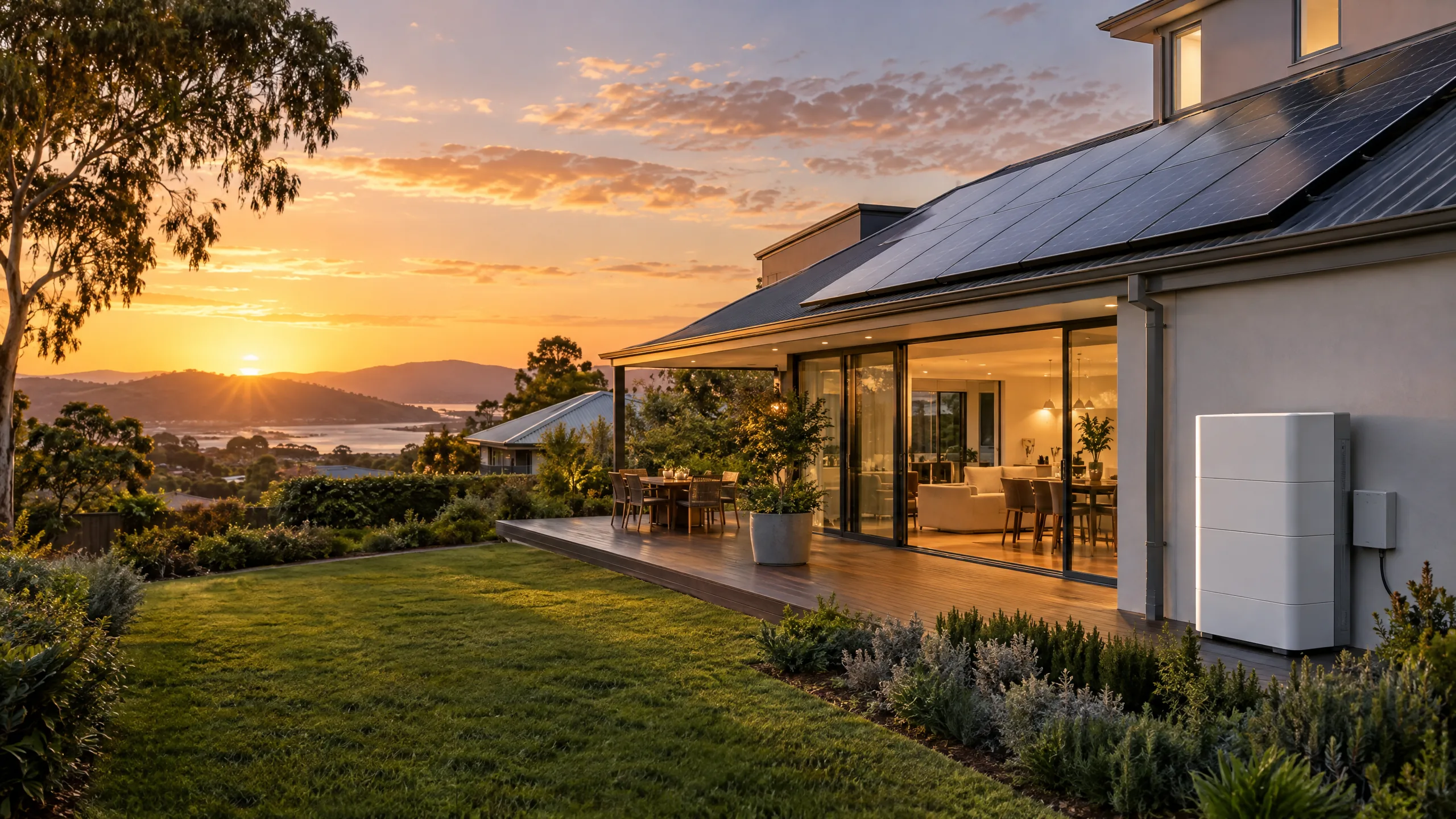
Solar + Battery Packages
A single designed package: panels, hybrid inverter and battery installed and commissioned together.
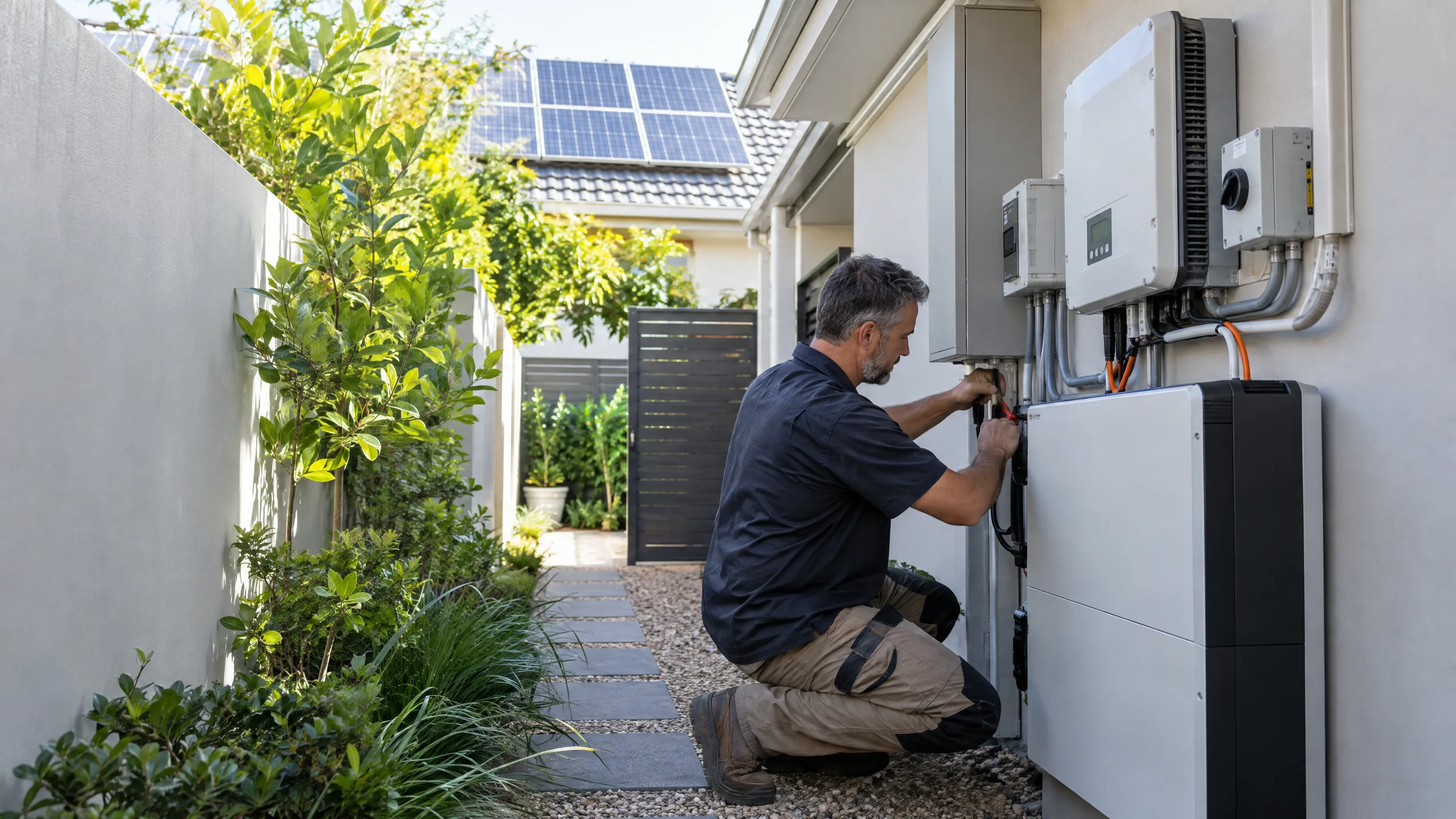
Add a Battery to Existing Solar
An AC-coupled battery or a hybrid inverter upgrade that adds storage without replacing working panels.
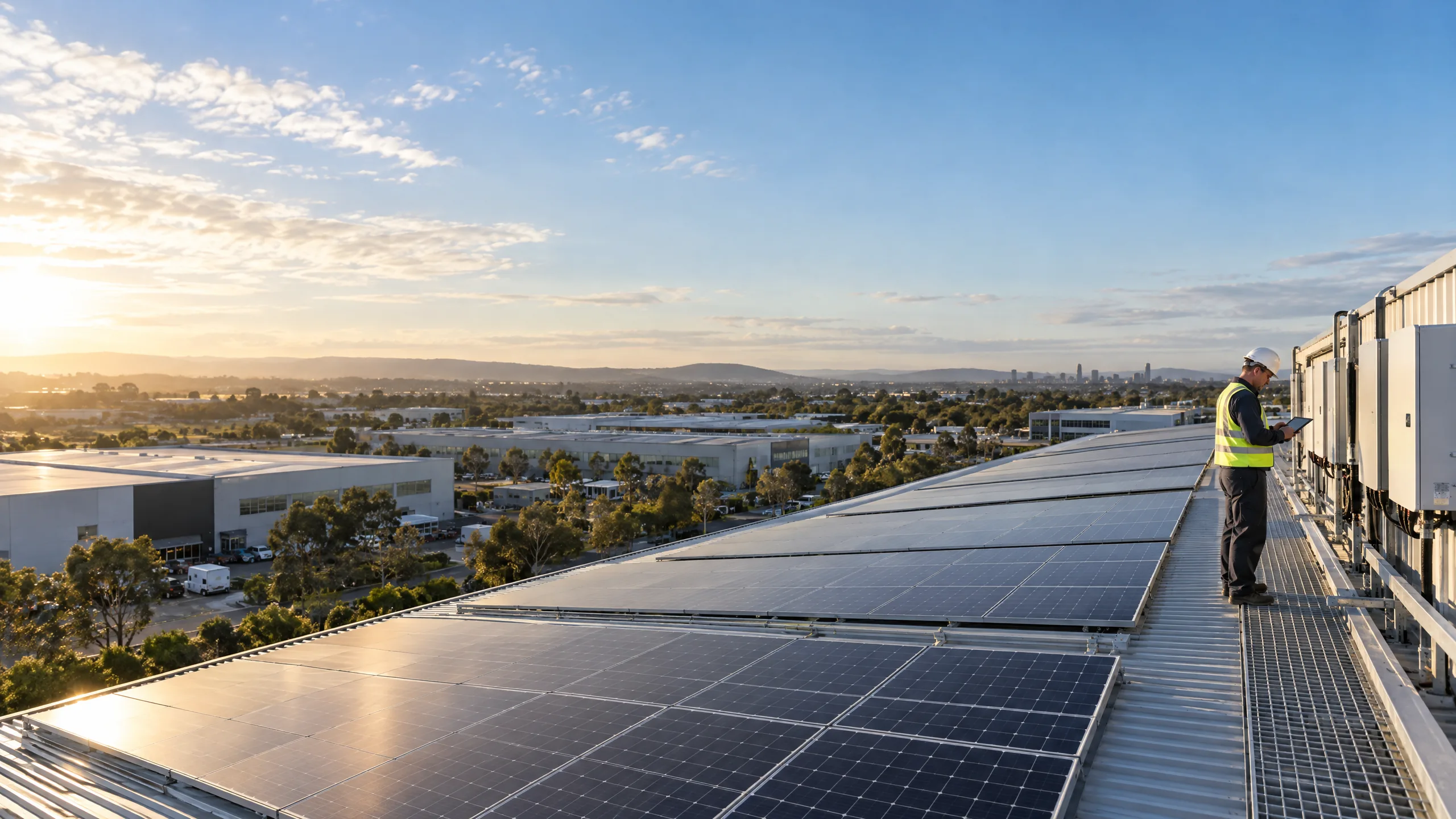
Commercial Solar
A commercial system designed around interval data, demand charges and roof structure, with a clear payback model.
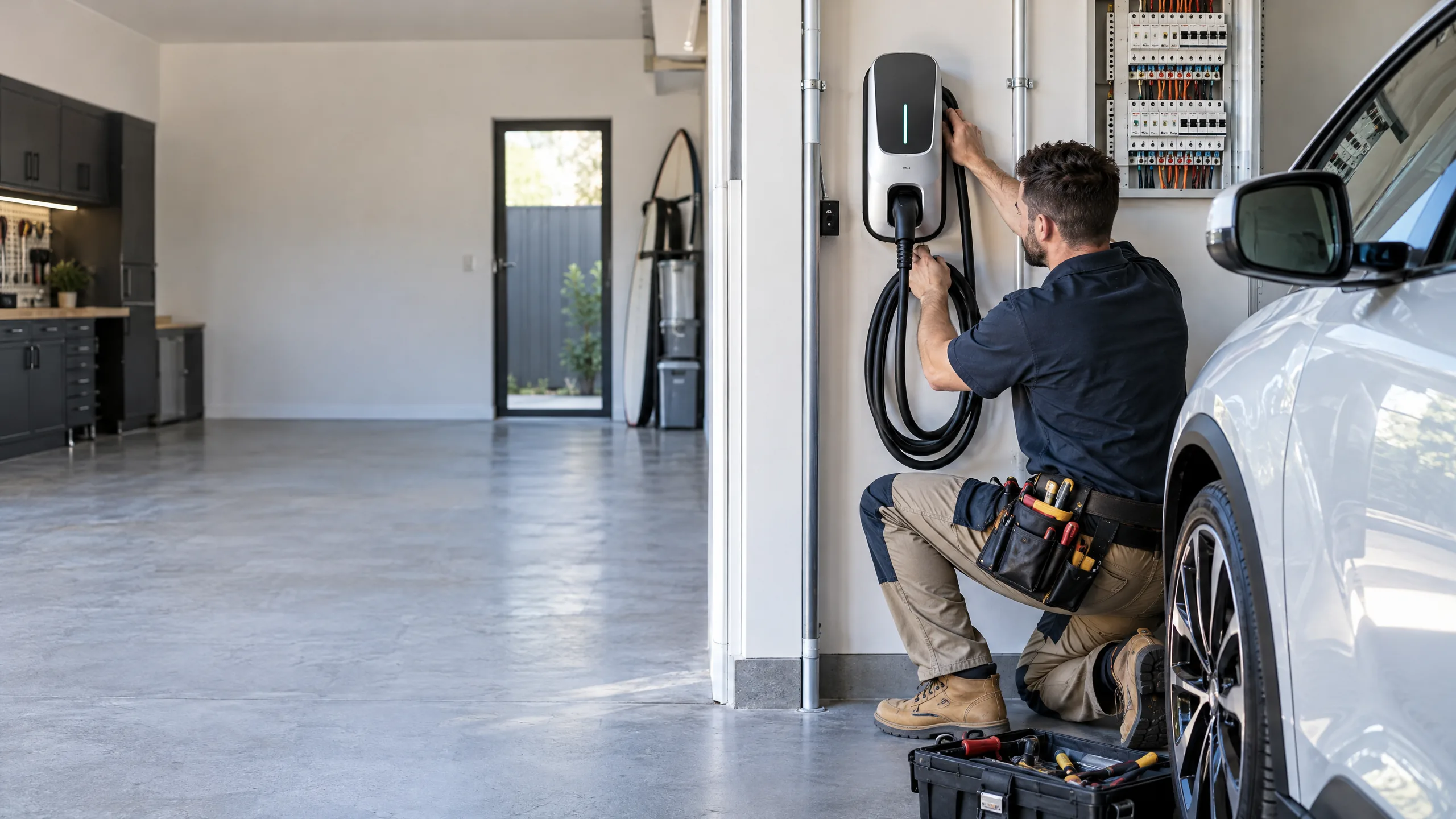
EV Charger Installation
A dedicated wall charger on its own circuit, ideally solar-aware so it soaks up surplus generation.
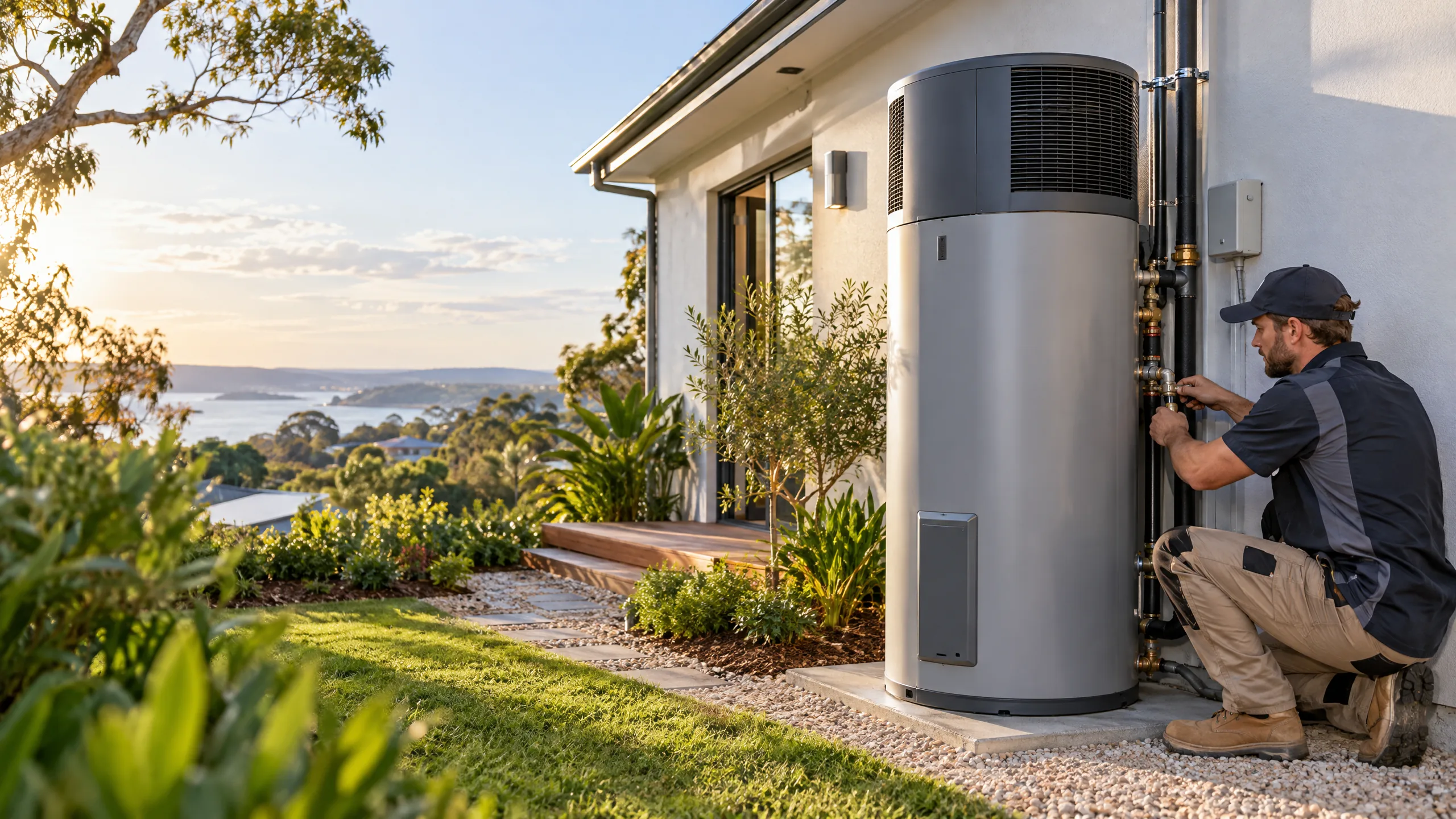
Heat Pump Hot Water
Heat Pump Hot Water in Cranbourne, quoted in writing.
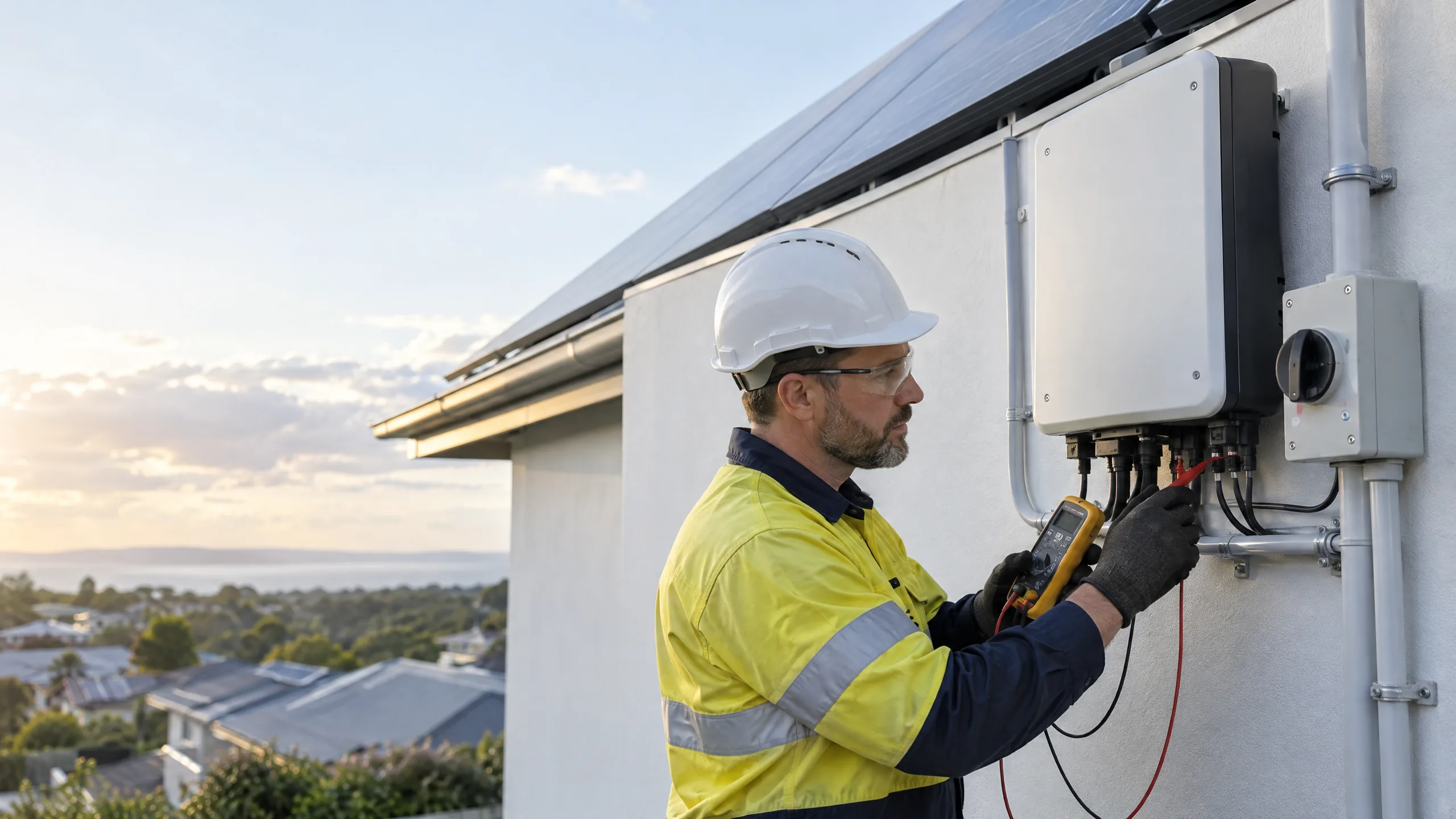
Solar Repairs & Maintenance
Solar Repairs & Maintenance in Cranbourne, quoted in writing.
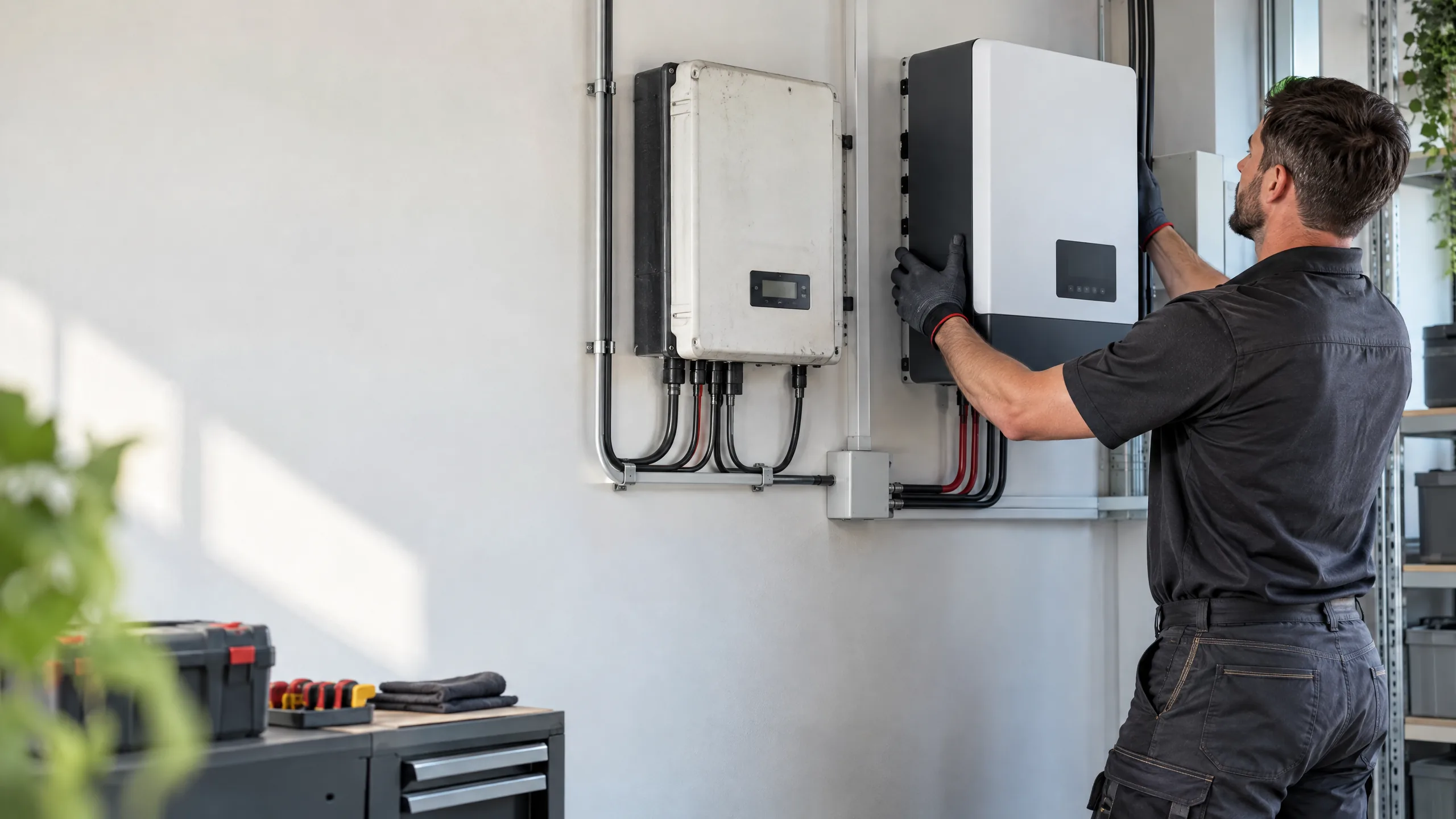
Inverter Replacement
Inverter Replacement in Cranbourne, quoted in writing.
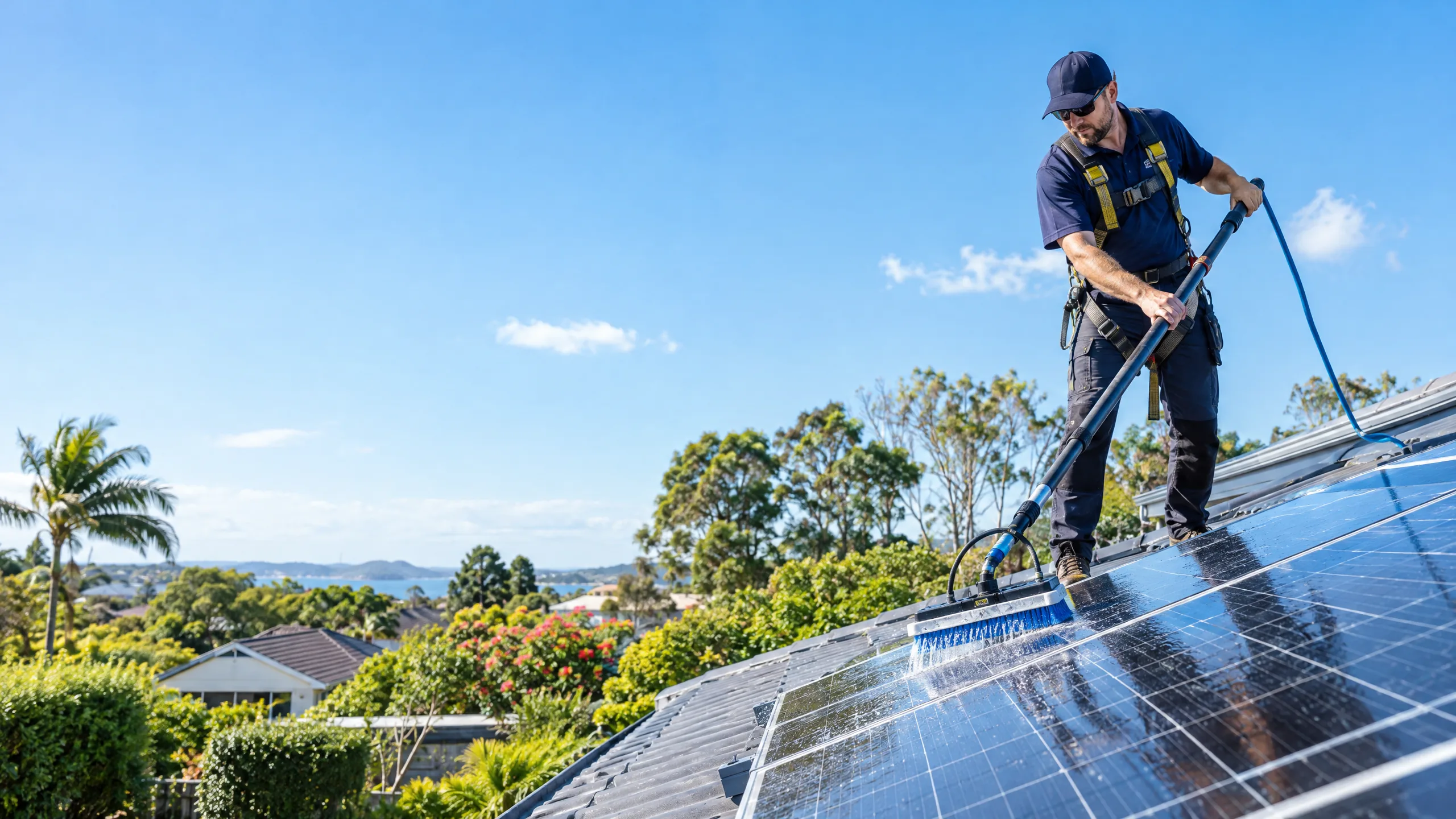
Solar Panel Cleaning
Solar Panel Cleaning in Cranbourne, quoted in writing.
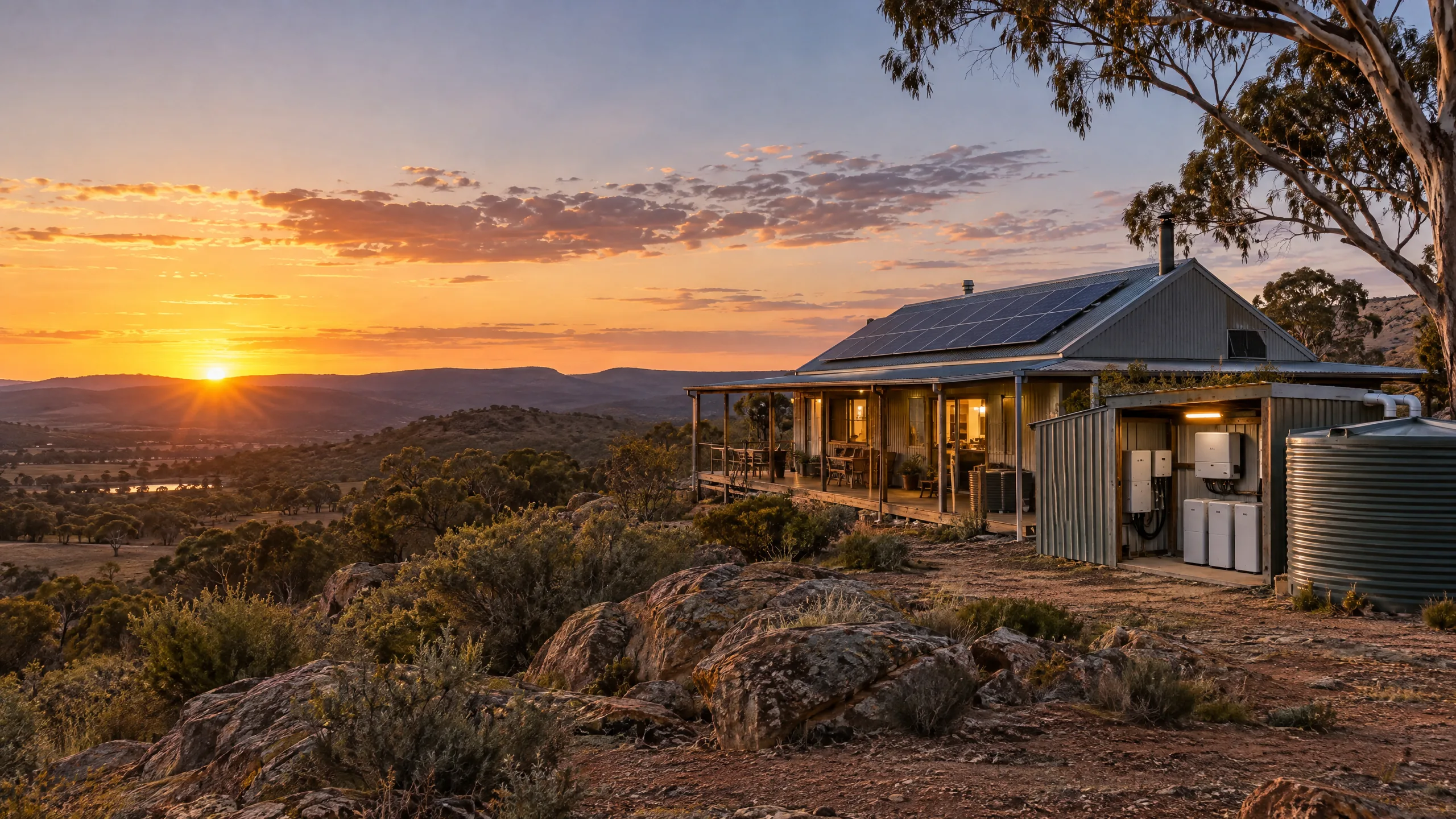
Off-Grid Solar Systems
Off-Grid Solar Systems in Cranbourne, quoted in writing.
Homes & businesses
Residential and commercial solar in Cranbourne
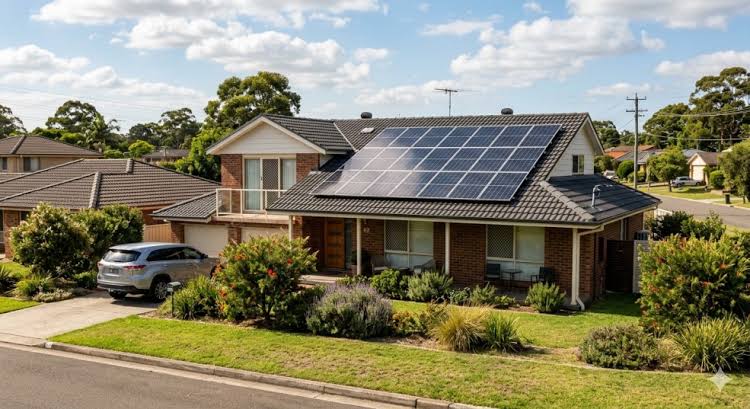
Residential solar
For homes: panels, batteries, packages and the upgrades that cut evening bills.
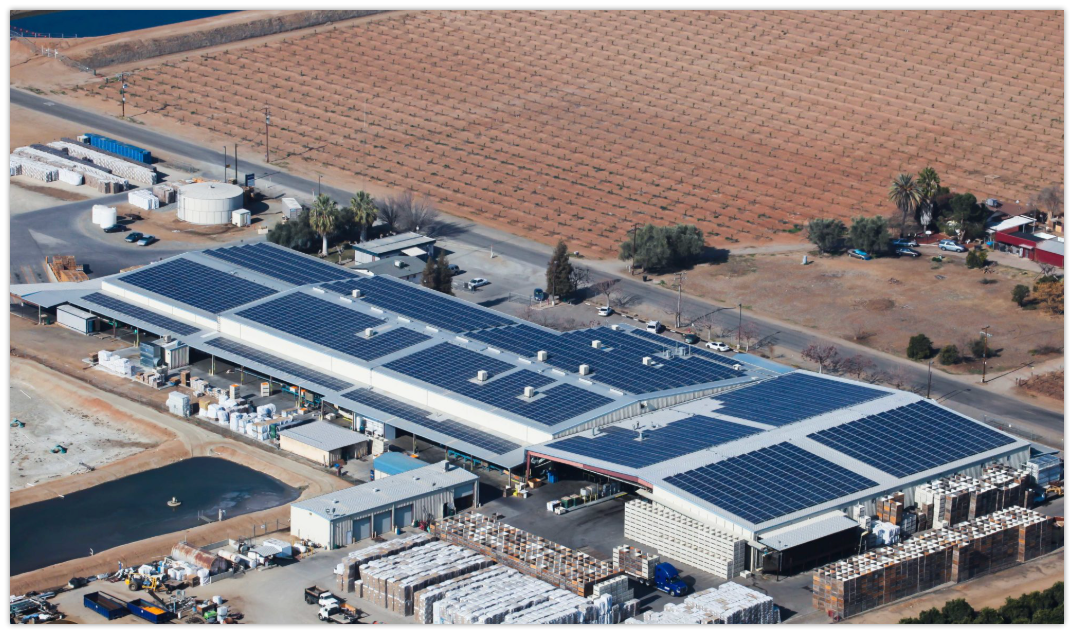
Commercial solar
For businesses: larger systems sized to daytime load, with monitoring and tax-time paperwork.
Industries
Farms & AgricultureWarehouses & ManufacturingRetail & HospitalitySchools & ChildcareMedical & Dental ClinicsStrata & Apartment Buildings
Solar designed around your situation
Which situation best suits you?

Solar and battery rebates in Cranbourne
What Victoria homes can claim right now, worked out for Cranbourne.
About $1,482
STC discount on 6.6kW
Federal SRES · 39 certificates
About $3,402
Battery incentive on 13.5 kWh
Cheaper Home Batteries (conditions)
Up to $1,400 locally made, $1,000 other
Solar Victoria hot water rebate
Solar Victoria, from 1 July 2026
Amounts change on set dates (next step-down 1 Jan 2027), so confirm before you sign. Last checked 16 Oct 2026. All Victoria rebates →
How it works in Cranbourne
Start with step one →-
01
Free site assessment & design
We visit your home, photograph your roof, check your switchboard and power supply (single or three-phase), and measure shading from nearby trees and buildings. Using PV design software, we model your roof's yield in summer and winter, propose system sizes matched to your usage, and show you the monitoring app. You get a detailed quote with all inclusions and current rebates outlined. This visit takes 45 minutes and is free.
-
02
Install by accredited electrician
Our electricians are SAA-accredited and registered with Energy Safe Victoria (ESV). We install panels, inverter, racking, isolators and DC/AC wiring to current standards. We test the system, commission your monitoring app, and hand over a commissioning report. If you're adding a battery, we also upgrade your switchboard if needed and set battery charge/discharge times to match your tariff. Installation is typically one to two days for a residential system.
-
03
Grid connection & paperwork
We lodge your grid connection application with Powercor (your distribution network operator in this area) and handle all Energy Safe Victoria compliance. We register your system with the Clean Energy Regulator so you receive STCs (Small-scale Technology Certificates) upfront. We also assist with any state rebate applications (Solar Victoria panel and hot water rebates). You'll have a live, grid-connected system and a monitoring app showing real-time output and savings.
What’s included in a standard solar installation job?
Typically included
- Free site assessment, roof inspection and shading analysis
- System design using PV software, sized to your usage
- Supply and installation of panels, inverter, racking, isolators and cabling
- Installation by SAA-accredited electrician; Energy Safe Victoria commissioning
- Grid connection application, paperwork and liaison with Powercor
- Monitoring app setup, handover and training
Often excluded
- Major roof repairs or structural work (assessed separately)
- Switchboard upgrades beyond standard isolator/safety switch installation (quoted separately if required)
- Council permits (generally not needed; we confirm at assessment)
- Landscaping or removal of trees causing shade
Always get scope in writing. Your electricity distributor is Powercor. If your switchboard is very old (pre-1990s) or severely undersized, an upgrade may be needed before we install; we'll identify this during the site visit and quote it separately. Roof safety is paramount—if access is difficult or the roof is fragile, we'll discuss alternatives or defer installation until repairs are complete.
Pricing guide
What does solar cost in Cranbourne?
Residential solar costs in Cranbourne range from $4,000 for small systems to $9,500 for larger installations, before rebates. Your final price depends on system size (in kilowatts), panel and inverter brand tier, roof pitch and condition, switchboard age, and whether you're on single or three-phase power. Adding a battery typically costs $7,500 to $16,000. Federal STCs and state rebates (Solar Victoria panel rebate up to $1,400, hot water rebate up to $1,400) can reduce your out-of-pocket cost significantly—but rebate amounts change on set dates, so confirm current figures with Solar Victoria before committing.
What affects your quote
- System size in kilowatts (3 kW to 10 kW for residential)
- Panel brand and tier (entry-level vs. premium efficiency)
- Inverter brand and warranty (single-phase vs. three-phase)
- Roof type, pitch and condition (pitched vs. flat; tile vs. metal)
- Switchboard age and capacity (upgrade cost if needed)
- Single or three-phase connection (three-phase may cost slightly less per kW)
| Job type | Low end | Typical | High end |
|---|---|---|---|
| Solar Panels | $4,000 | $6,750 | $9,500 |
| Solar Batteries | $7,000 | $11,000 | $15,000 |
| Solar + Battery | $12,000 | $19,000 | $26,000 |
| Battery Retrofit | $7,500 | $12,000 | $16,000 |
Pricing transparency: these ranges are market guidance, not quotes. Replace with verified local quote data as it comes in.
Why Bill Saver Solar
Why Cranbourne homeowners choose us

-
Accredited installers
SAA accredited installer, NETCC Approved Seller, Licensed electrical contractor.
-
2016 years in solar
Bill Saver Solar has been working on local roofs for 2016 years.
-
10 Years-year workmanship warranty
In writing, on top of the panel, inverter and battery manufacturer warranties.
-
Brands we install
Tesla Powerwall, Sigenergy, BYD, Alpha ESS, Enphase IQ Battery. We explain what each part does and why it suits your home.
-
Local office
Level 10, 14 Mason Street Dandenong VIC 3175.
-
Quick response
We aim to reply within Same Day Response.
Local solar numbers
What will a solar system do for a home in Cranbourne?
A 6.6kW system in Cranbourne should make about 9,016 kWh a year, roughly 25 kWh on an average day. The table below compares the sizes most homes choose, using Melbourne data, 45 km away.
| System | Output a year | Bill saving a year | STC discount | Typical price | Payback |
|---|---|---|---|---|---|
| 6.6kW | 9,016 kWh | — | $1,482 (39 STCs) | $4,500–$7,000 | — |
| 10kW | 13,660 kWh | — | $2,242 (59 STCs) | $6,500–$10,500 | — |
| 13kW | 17,758 kWh | — | $2,926 (77 STCs) | $8,500–$13,500 | — |
| 20kW | 27,320 kWh | — | $4,484 (118 STCs) | $13,240–$20,990 | — |
Output: PVWatts modelling for this area. Savings assume 25–35% of solar used at home; savings and payback show a dash until the local power price is verified. Prices are market guidance (after STCs), not quotes.
Local guide
Solar in Cranbourne: local climate, roofs and network
Cranbourne is an established urban suburb in Casey, 43 km south-east of Melbourne's CBD, with 21,281 residents living at about 1,289 people per km² (2021 Census). Most homes were built between 1970 and 2010, so roof stock is typically Colorbond metal or clay tile on timber frames, pitched at 20–30 degrees and facing broadly north, north-east, east or south-east. This orientation suits solar well—north-facing roofs are ideal, and east-facing roofs capture good morning generation. Townhouses and newer single-storey homes often have flat or low-pitch roofs, which work with ballasted racking but need careful shading analysis.
Cranbourne's climate is temperate oceanic, with warm summers (average max 26°C, January) and cool winters (average max 14°C, July). The area averages 4.76 peak sun hours daily—using Melbourne figures from 45 km away—and 1,366 kWh per installed kW per year. Summer output peaks in December–January; winter output is lower but still productive. Frost is rare, and salt-air corrosion (a risk in coastal areas) is not a concern here. Spring and autumn can be windy; your racking is engineered for local wind loading. Thunderstorms are infrequent but can occur; all systems include surge protection.
Your electricity network is operated by Powercor, which manages distribution to this area. Most homes have single-phase, 230 V AC supply; some newer properties have three-phase. Single-phase connections suit residential solar systems up to about 5 kW; larger systems may benefit from three-phase to reduce voltage rise. We check your switchboard during the site visit and advise on the best configuration. Over 1,256 solar systems and 2,035 home batteries were installed in postcode 3977 in the past 12 months—the network is well-equipped to handle solar, and grid connection is usually straightforward.
Casey Council has no specific restrictions on residential solar systems under 10 kW; they're permitted development. However, some older homes or heritage-listed properties may have minor planning considerations, which we confirm at assessment. Energy Safe Victoria (ESV) oversees electrical safety; all our installations comply with the relevant standards and are commissioned by an accredited electrician. We manage all paperwork, including registration with the Clean Energy Regulator so you receive STCs. Off-grid systems and large commercial installations have additional requirements, which we'll discuss if you're interested.
Cranbourne averages 4.76 peak sun hours a day (using Melbourne figures, 45 km away), which works out to about 1,366 kWh per installed kW each year.
The federal STC discount for a 6.6kW system here is around $1,482: 39 certificates at roughly $38, using zone multiplier 1.185.
On top of federal support, Victoria offers the Solar Victoria hot water rebate: up to $1,400 locally made, $1,000 other, same $150,000 income cap; the Solar Victoria panel rebate: up to $1,400, combined household income $150,000 or less.
How to choose a solar installer in Cranbourne
Red flags to watch for
- Electrician is not SAA-accredited or their ESV registration cannot be verified
- Quote has no itemised breakdown of panels, inverter, labour and rebates
- Installer quotes over the phone without a site visit or shading analysis
- They guarantee a payback period or specific financial returns (solar output varies by weather; returns depend on your usage and tariff)
- Pressure to sign before you've had time to review the quote or compare options
- They claim the system will 'pay for itself in X years' without accounting for tariff changes or your consumption patterns
- 01
Check for SAA accreditation and ESV registration
Your installer's electricians must be accredited by the Standards Australia (SAA) to design and install solar systems. They must also be registered with Energy Safe Victoria (ESV) to commission your system. Ask to see their current ESV licence and accreditation certificate. We display ours publicly; a credible installer will too.
- 02
Verify NETCC Approved Seller status (Victoria)
NETCC (the Network Eligible Customer Co-operative) accredits retailers and installers in Victoria to ensure they meet training, insurance and customer service standards. We're a NETCC Approved Seller. This is a sign of professionalism and accountability.
- 03
Ask for a detailed, itemised quote
Your quote should list the brand and wattage of panels, inverter model, racking type, labour, commissioning, grid connection paperwork and monitoring app setup. It should state GST and rebates (STCs, Solar Victoria panel rebate, battery rebate) as separate line items. If anything is vague or lumped together, ask questions. Beware of quotes that look too cheap—corners cut on design or installation lead to poor output and warranty issues.
- 04
Understand the warranty structure
Panels typically come with 25-year performance warranties (output guaranteed to 80% of original capacity). Inverters carry 5–10 year manufacturer warranties; battery systems vary. Ask what the installer warrants on workmanship (usually 5–10 years) and whether your monitoring is included for life or has annual fees. Clarify what's covered if something fails during year two.
- 05
Ask about local experience and site assessments
A good installer will have installed dozens—ideally hundreds—of systems in your area and will understand local roof types, network conditions and climate. They should offer a free, detailed site assessment including roof photos, shading analysis and a yield model specific to your address. If they quote over the phone without visiting, that's a red flag.
- 06
Check their approach to monitoring and aftercare
You should receive a clear walk-through of your monitoring app during handover, and the installer should explain how to read your bill and adjust battery times if needed. Ask how they handle questions or faults after installation—is there a helpline, an email, or an online portal? Do they offer annual maintenance or cleaning? Aftercare is often overlooked but matters over a 25-year system lifespan.
- 07
Ask about grid connection timelines and Powercor liaison
Your installer should lodge your grid connection application with Powercor (your distribution network) immediately after commissioning and keep you updated on approval. This typically takes 2–6 weeks. If the installer says 'you can use the system while waiting'—be cautious. A completed ESV commissioning and Powercor approval are legally required before you export power to the grid. Responsible installers manage this process fully.
Brands we install
Brands we install
Ask us about current stock and warranty terms for each brand.
- Panels
- Jinko →Trina →LONGi →AikoRECCanadian Solar →SunPower (Maxeon)
- Batteries
- Tesla PowerwallSigenergy →BYDAlpha ESS →Enphase IQ BatterySungrow SBR →FranklinWH
How much power does a 6.6kW solar system produce in Cranbourne?
How much is the STC rebate on a 6.6kW system in Cranbourne?
How many homes in Cranbourne have solar panels?
How much does solar cost in Cranbourne?
How much does a solar panel system cost in Cranbourne?
What's the output of a solar system in Cranbourne?
Should I add a battery to my Cranbourne solar system?
How long does a solar installation take in Cranbourne?
Do I need council approval for solar in Cranbourne?
What happens if my roof needs repair before solar installation?
What maintenance does a solar system need in Cranbourne?
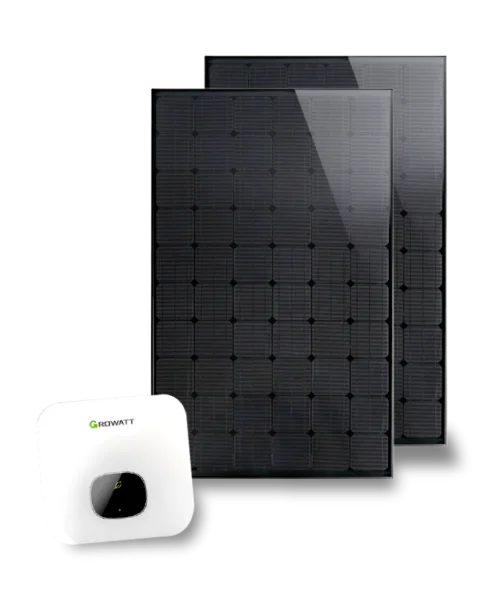
Ready to cut your power bills in Cranbourne?
Get a free, no-obligation solar assessment and a written, itemised quote.
Accredited installers — SAA accredited installer, NETCC Approved Seller, Licensed electrical contractor.
2016 years in solar — Bill Saver Solar has been working on local roofs for 2016 years.
10 Years-year workmanship warranty — In writing, on top of the panel, inverter and battery manufacturer warranties.
Brands we install — Tesla Powerwall, Sigenergy, BYD, Alpha ESS, Enphase IQ Battery. We explain what each part does and why it suits your home.