
Fronius Inverters
Fronius Solar Inverters in Australia
Models, warranty, price and how they fit your system
Your roof generates power, but the inverter decides whether you use it, store it or send it back to the grid. Fronius builds inverters designed for Australian roofs, grid rules and battery compatibility. This guide explains the main models, warranty coverage, real price ranges, and which Fronius inverter suits your home or business—compared fairly against Enphase, SolarEdge and Sungrow.
Short answer
Is Fronius a good choice for solar in Australia?
Fronius inverters are a solid choice for Australian homes and small businesses that want a proven European brand with strong local support. They suit hybrid setups (solar + battery) and stand up to the Australian grid's voltage and frequency rules. The warranty is competitive and spare parts are available through accredited installers. If you're comparing brands, Fronius sits between budget options and premium models like Enphase; it competes well on reliability and price.
Strengths
- Hybrid and battery-ready models suit Australian homes adding storage later
- Proven European engineering, SAA-accredited installers across all states
- Competitive warranty and spare parts readily available locally
- Works well on single-phase and three-phase power in residential and small commercial settings
Check before you buy
- Requires SAA-accredited installer to maintain warranty; DIY service voids coverage
- Monitoring app and documentation can be technical for non-electricians
- Battery compatibility varies by model; confirm pairing before purchase
Who makes Fronius and who supports it in Australia?
Fronius is an Austrian family-owned company founded in 1945, now a global leader in solar inverter and battery technology. In Australia, Fronius inverters are distributed through licensed partners and sold by SAA-accredited installers and NETCC Approved Sellers. Technical support, warranty claims and spare parts are handled via the local distributor and your installer. Check your installer's SAA accreditation and ask how long they've worked with Fronius products before you commit.
What decides it
Fronius on the things that matter
What warranty does Fronius offer and what does it cover?
Fronius inverters include a manufacturer warranty against defects in materials and workmanship. Warranty length varies by product line (typically 5–10 years on string inverters; check your specific model). The warranty covers inverter failure, not damage from lightning, incorrect installation, or modifications. To stay covered, your installation must comply with Australian Standards and be done by an SAA-accredited electrician. Register your inverter with Fronius within the required timeframe to activate extended warranty options.
How efficient are Fronius inverters and what output can I expect?
Fronius string inverters typically achieve conversion efficiency of 96–98%, meaning 96–98% of DC power from your panels becomes AC power for your home or the grid. Hybrid models (with battery) work slightly differently: DC power can go to the battery or inverter, so real-world output depends on your usage pattern and battery charge state. A correctly sized Fronius paired with tier-one panels on a north-facing roof in Sydney, for example, generates roughly 1.3–1.5 kWh per installed kW on a clear day. Your installer's site assessment will calculate your expected annual output based on your postcode's solar zone, roof angle and shading.
Can a Fronius inverter support a battery or switch to backup power?
Fronius hybrid inverters support solar + battery systems and can supply backup power during a grid failure if a battery is installed and configured. Backup power flows from the battery to essential circuits (usually a sub-board nominated during design). Without a battery, a grid-tied Fronius string inverter will shut down during a blackout for safety. If backup power is a priority, choose a hybrid model and include a battery; costs for a hybrid inverter and battery add $7,000–$16,000 to your system. Discuss backup circuit design with your installer during the site assessment.
Can I expand or upgrade a Fronius system later?
Yes, Fronius hybrid inverters are designed for expansion. You can add more panels (up to the inverter's rated input) and add a battery later without replacing the inverter. If your inverter is already at full capacity, you can install a second inverter (stacked) for a larger system, though this costs more and requires switchboard modification. Older Fronius models may have firmware or compatibility limits; check with your installer whether your model supports battery add-ons and what updates are needed.
What monitoring and app features does Fronius offer?
Fronius inverters include a web portal and smartphone app (Fronius Solar.web) that show real-time power generation, consumption, battery charge and export to the grid. You can track savings, set battery charging schedules and receive alerts if something goes wrong. The app works on most phones and tablets; internet connectivity (via your home broadband or mobile data) is required. Some users find the interface detailed and feature-rich; others prefer simpler apps. Test the demo version online before you buy, or ask your installer for a walkthrough.
What support is available in my state if something fails?
Fronius support in Australia flows through your installer first, then to the local distributor if parts or warranty service are needed. Major states (New South Wales, Victoria, Queensland) have dedicated Fronius service partners; more remote areas may have longer response times. Most faults are simple (loose wiring, firmware reset) and your installer can fix them in a day or two. Warranty claims typically take 1–4 weeks if a component needs replacement. Confirm your installer's response-time guarantee and what you pay for service visits outside warranty before you sign the contract.
Against the alternatives
Fronius vs Enphase, SolarEdge and Sungrow
| Fronius | Enphase | SolarEdge | Sungrow | |
|---|---|---|---|---|
| Models listed | — | 1 | 1 | 1 |
| Usable capacity | — | 5 kWh | 9.7 kWh | 9.6 kWh |
| Product warranty | — | 15 yr | 10 yr | 10 yr |
| Installed from | — | $4,500 | $8,730 | $12,150 |
| After rebates from | — | $3,240 | $6,286 | $8,748 |
| We install | Yes | Yes | Yes | Yes |
Who should choose Fronius?
New home or renovation with room for battery
A hybrid Fronius inverter is the right choice because it handles solar now and battery later without a costly inverter swap. You'll pay 10–15% more upfront but save thousands if you add a battery in 3–5 years when prices fall further.
Replacing an old inverter with the same size system
Fronius string inverters are reliable and affordable for direct replacement. If your panel count and roof fit the existing setup, a like-for-like Fronius swap typically costs $1,500–$4,200 installed, with minimal switchboard work.
Large commercial or industrial roof
Fronius makes three-phase commercial inverters rated 10–30 kW for businesses. These suit factories, shops and agricultural buildings where you want to offset daytime power use or export excess to the grid. Compare against SolarEdge and Sungrow on size, efficiency and local parts stock.
Off-grid property or remote area
Fronius hybrid inverters can work off-grid if paired with a battery and designed carefully, but you'll need expert load planning and a bigger battery bank. For true off-grid, simpler inverter brands may be cheaper; discuss design options with your installer.
Installation & costs
What warranty does Fronius offer on inverters in Australia?
How much does a Fronius inverter cost installed in Australia?
Where are Fronius inverters made and who supports them in Australia?
Are Fronius inverters on the approved installer and retailer lists in Australia?
Which batteries are compatible with Fronius hybrid inverters?
How do I get technical support for a Fronius inverter in Australia?
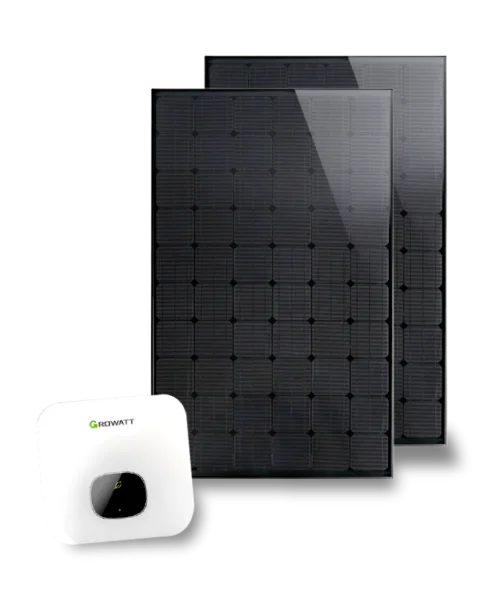
Get a Fronius inverter quote from an accredited installer
We'll assess your roof, system size and battery needs, then show you the exact model and price.