
Skip to content
Bill Saver Solar — Solar Energy for Schools & Childcare Centres

Schools & Childcare Centres

Solar Energy for Schools & Childcare Centres

Lower operating costs, reliable power and a living lesson in renewable energy.

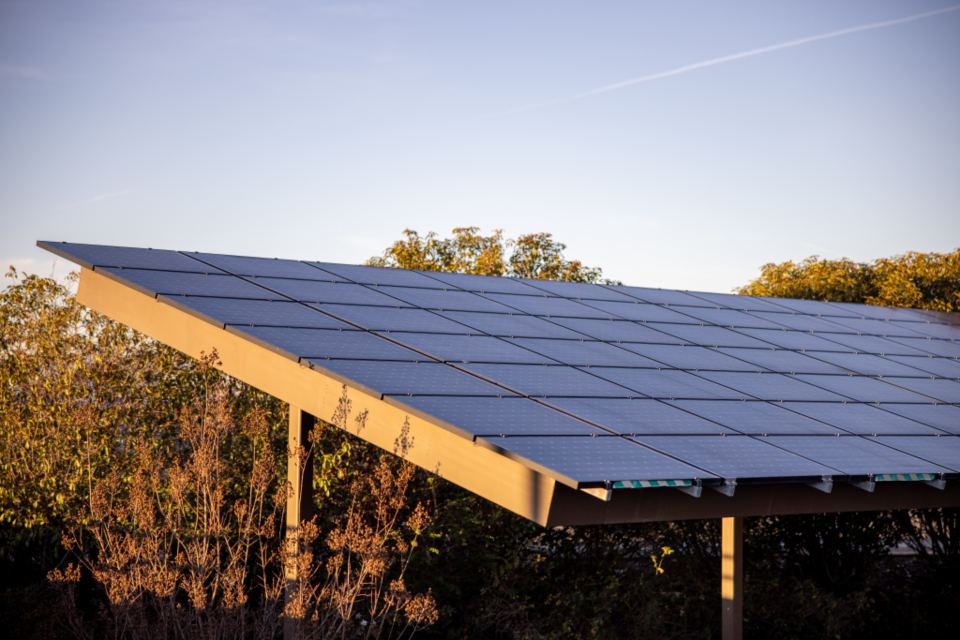
Schools and childcare centres run 24/7 during term time—and electricity bills climb every year. Solar panels cut that bill by 40–80%, depending on your roof and usage pattern. A battery system stores power for peak hours and emergencies, while the installation itself teaches students how clean energy works. Bill Saver Solar designs and installs systems sized for educational facilities, handling all grid paperwork and compliance.

What matters for this sector

Cut Electricity Bills by 40–80%

Electricity costs for schools and childcare centres keep rising. A correctly sized solar system generates power during school hours, cutting your grid import by thousands of dollars per year. The larger your roof and the more daytime usage you have, the greater your saving.

Protect Against Power Cuts

A battery system keeps the lights, internet and refrigeration running during grid outages. For childcare centres, this is critical for safety and duty of care. A 10–15 kWh battery stores enough solar power to run essential loads for several hours.

Teach Renewable Energy In Real Time

Qualify for Federal and State Rebates

Schools and childcare centres can claim Small-scale Technology Certificates (STCs) through the federal SRES, reducing upfront cost. Many states also offer education-specific rebates. Confirm current amounts with the Clean Energy Regulator or your state energy agency—incentives change on set dates.

Process

  1. 01

    1. Free Site Assessment

    An accredited electrician visits your centre, measures your roof (size, pitch, aspect, shading and structural load), checks your switchboard and reviews your electricity bill. This visit identifies the best panel layout, optimal inverter size and any upgrades needed. You'll receive a written assessment and no-obligation quote.

  2. 02

    2. Design & Quote

    Based on your assessment, Bill Saver Solar designs a system matched to your daytime usage and available roof space. The quote includes all panels, inverter, racking, isolators, installation labour, grid connection paperwork and monitoring app setup. It also shows your STC rebate and any state incentives you qualify for, so you see the true final cost.

  3. 03

    3. Install & Handover

    Installation typically takes one or two days. Bill Saver Solar's accredited electricians install panels, inverter and all wiring to Australian standards, test the system and connect it to your distribution network via the grid connection process (handled by Bill Saver Solar). You receive a maintenance manual, warranty documents, app login and a walkthrough of monitoring and care.

Questions

Common questions

Still have questions? Ask us or call 0485868633.

How big a system does a schools & childcare need?
It depends on daytime load and roof area. Interval data from your retailer gives the most accurate answer.
How long does a home solar installation take?
Most residential systems are installed in one day. Approval and grid-connection paperwork can add one to four weeks before the system is switched on.
What size solar system do I need?
Size the system to your daytime use and future plans. A typical family home suits a system that covers most of its annual usage; check your bill for daily kWh and multiply by 365.
How much does solar cost for a school or childcare centre?
Solar panel installation for educational facilities ranges from $4,000–$9,500 for smaller roofs to $25,000–$160,000 for larger commercial systems. The final price depends on your roof size, panel choice, inverter brand, switchboard condition and available rebates. A site assessment by an accredited electrician will confirm your exact cost after measuring the roof pitch, number of storeys and existing electrical setup. Contact Bill Saver Solar for a free quote.
Can we add a battery to existing solar at our centre?
Yes. Adding a battery to existing solar costs $7,500–$16,000 depending on battery size (measured in kWh) and inverter compatibility. A battery stores surplus daytime power for use during peak hours or after sunset, which is especially useful for centres that operate into the evening. If you installed solar more than five years ago, your inverter may need a compatibility check or upgrade before adding storage. Bill Saver Solar accredited electricians test your system and recommend the best battery match.
What rebates and incentives are available?
Educational facilities qualify for Small-scale Technology Certificates (STCs) through the federal Small-scale Renewable Energy Scheme (SRES). An STC discount is applied at purchase: your system size in kW is multiplied by a zone factor, the five-year deeming period and $38 per STC. The Clean Energy Regulator administers this scheme. Your state may also offer separate rebates for schools—check your state energy agency. Confirm current amounts before deciding, as STC prices and state schemes change on set dates.
Can we install an EV charger at the same time?
Yes. EV charger installation costs $1,200–$3,200 and pairs well with solar; your panels can charge vehicles during the day when generation is highest. Most chargers require a dedicated circuit and a suitable location near a car park or bus bay. If you plan to expand your fleet of electric vehicles or buses, solar-powered charging reduces long-term fuel and maintenance costs. Bill Saver Solar installs chargers to Australian standards and can integrate them with your solar monitoring app.
How does monitoring work after installation?
Every solar system includes a monitoring app that displays real-time generation, battery charge level and grid export in watts or kilowatt-hours. You and your facilities manager can view daily and monthly trends, spot any drop in output (which may signal a panel needs cleaning), and set alerts for faults. The app is set up during handover and requires no ongoing fees. For larger commercial systems, Bill Saver Solar can arrange remote monitoring and quarterly maintenance checks.
What if our roof has multiple levels or a complex pitch?
Multi-storey buildings and complex roof pitches increase installation complexity and cost slightly, but do not prevent solar from working. An accredited electrician surveys your roof shape, aspect, shading from trees or nearby buildings, and structural load capacity before design. Panels are usually angled north (in the Southern Hemisphere) to catch the most sun; trees or adjacent buildings may reduce this, and your design will account for shadows. Your site assessment is free and will identify the best placement.
What maintenance does a school solar system need?
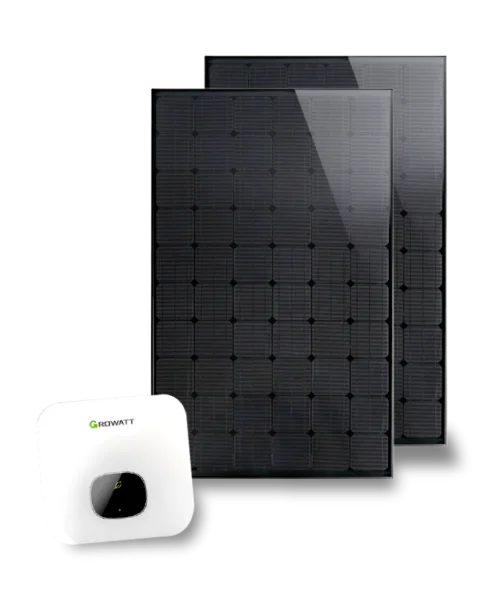
A well-installed solar system requires minimal upkeep: panel cleaning two or three times per year (depending on local dust and weather), and an annual electrical check by an accredited electrician. Dust, pollen and bird droppings reduce output by 5–15%; a simple rinse with water restores efficiency. Bill Saver Solar offers solar panel cleaning from $150–$450 depending on system size and roof access. Quarterly or annual maintenance visits cost $180–$1,200 and include inverter health checks, wiring inspection and app review.
solar — final

Get Your Free Solar Assessment

Get my free quotes →

An accredited electrician will survey your roof, check your switchboard and estimate your savings and rebates. No obligation.

Services for business

Solar Battery InstallationSolar + Battery PackagesAdd a Battery to Existing SolarCommercial Solar

Other industries

Farms & AgricultureWarehouses & ManufacturingRetail & HospitalityMedical & Dental ClinicsStrata & Apartment Buildings

Costs & finance

Solar & Battery RebatesSolar Finance & Repayment Calculator

Call Get a free quote →
Tap to call